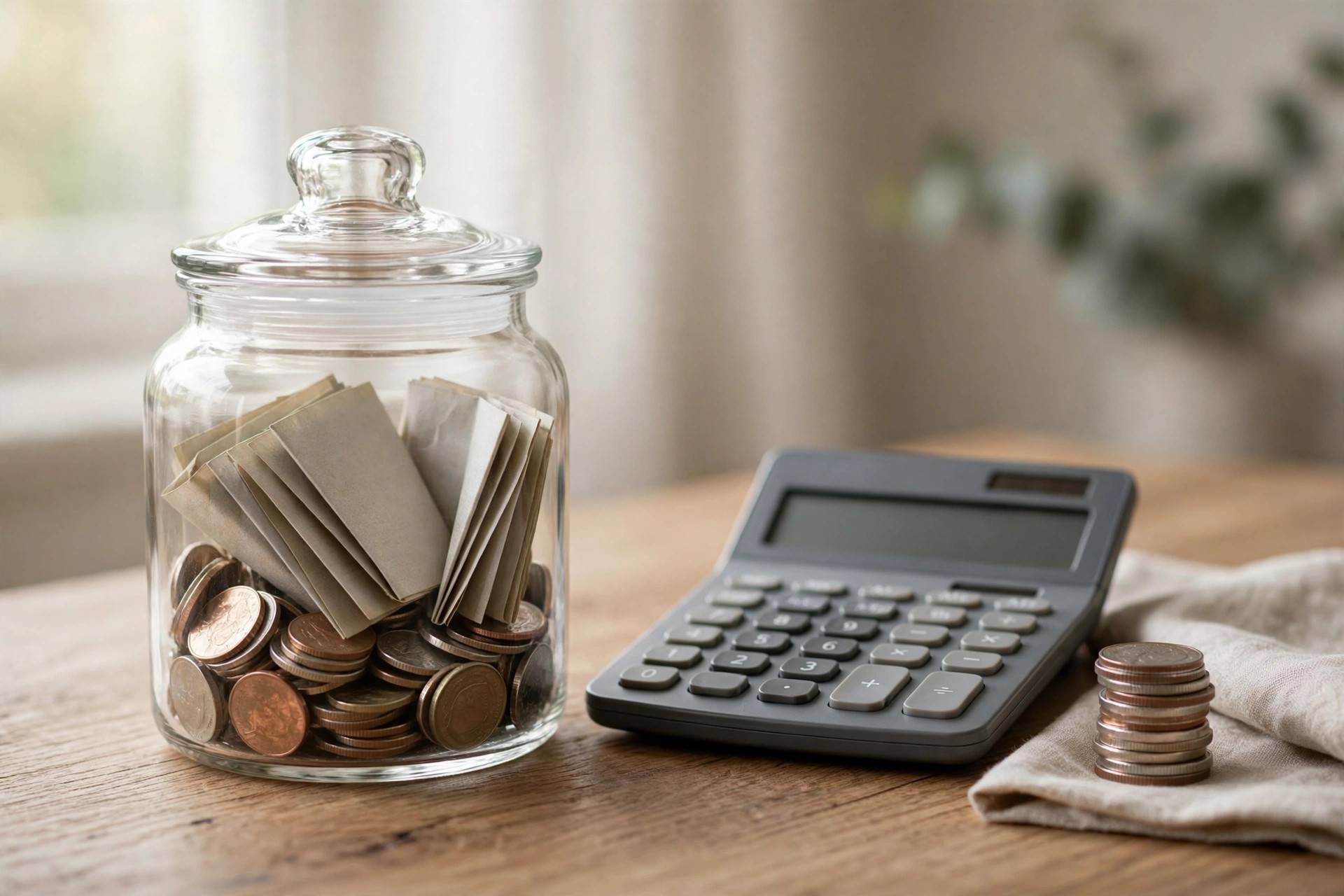
A broken boiler, a medical bill, a sudden job loss — life doesn't schedule its surprises. An emergency fund turns these shocks from financial disasters into inconveniences. In 2026, financial advisors are unanimous: before investing, before buying the nice things, build your safety net. Here's how much to save and how to get there.
Know your real target number
The classic rule is three to six months of essential expenses — rent, food, utilities, transport, insurance — not your full spending. Add up one month of essentials and multiply. Your target is based on survival expenses, not lifestyle expenses — that keeps the goal realistic and achievable. Freelancers and single-income households should aim for the six-month end; dual-income employees can start with three.
Start embarrassingly small
Most people never start because the target feels huge. So don't aim at the target — aim at the first $1,000 (or your currency's equivalent). That covers the majority of common emergencies. A starter fund of $1,000 beats a perfect plan you never begin. Even $25 a week gets you there in under a year.
Automate it so you can't skip it
Set up an automatic transfer the day after payday into a separate savings account. Treat it like a bill you owe yourself. Increase the amount slightly every few months or whenever you get a raise. Automation is the secret weapon — willpower fails, autopilot doesn't.
Keep it boring and accessible
Your emergency fund belongs in a high-yield savings account — not stocks, not crypto, not under the mattress. It should earn a little interest but be reachable within days, and separate from your daily spending so you don't raid it. Emergency money must be safe and liquid, not exciting — excitement is for investments.
An emergency fund is the foundation of all money advice. Start your first automatic transfer this month, and by the end of 2026 you'll sleep better knowing that whatever happens, you have a cushion.