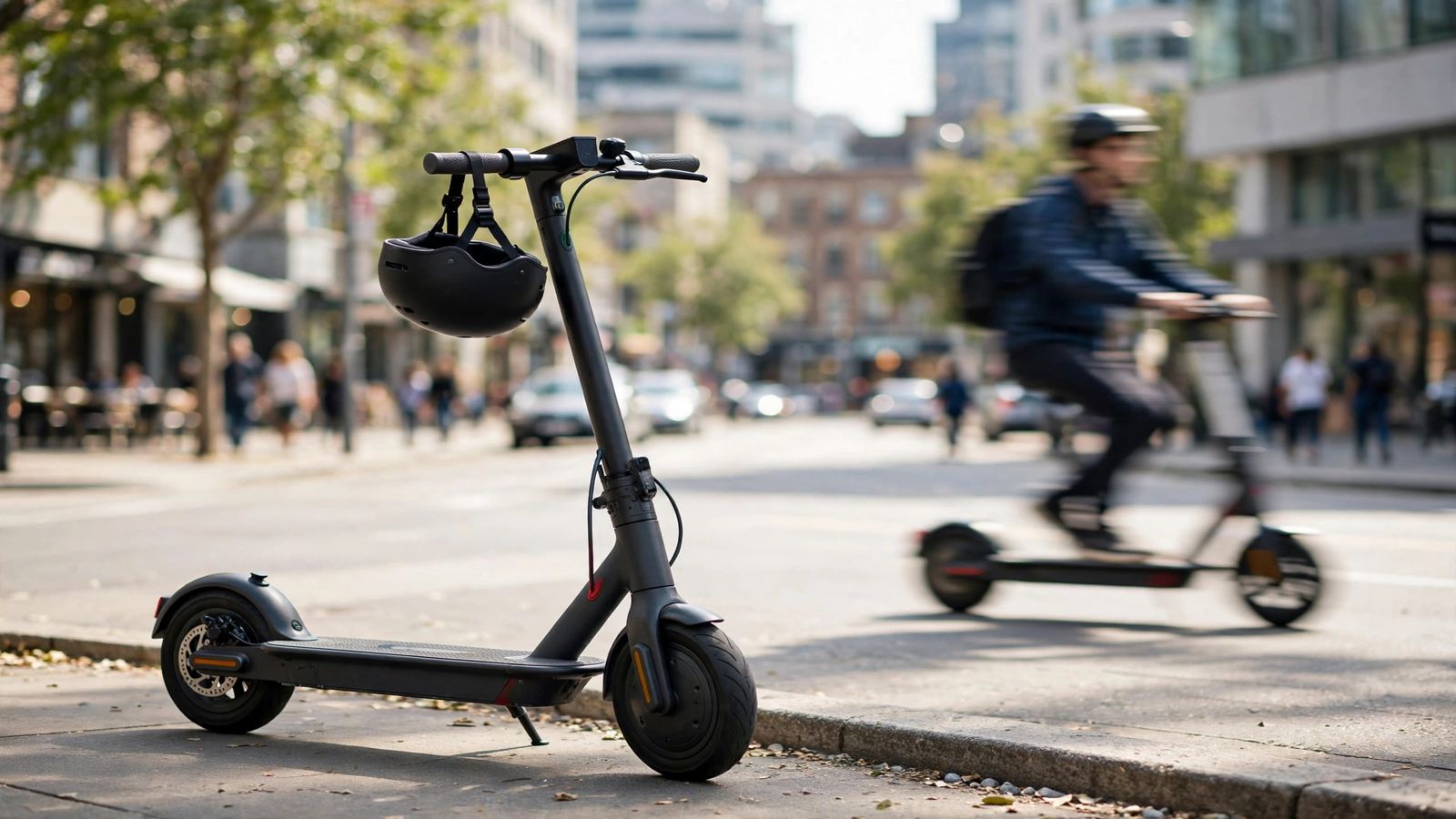
Electric scooters have gone from novelty to genuine transport — cheap to run, easy to park, and perfect for the last mile. The good news: in 2026, you no longer need to spend a fortune to get a reliable one. Here is what to look for in a budget model.
Range: Buy for Your Real Commute
Manufacturers advertise maximum range in ideal conditions — expect about 60–70% of that number in real life with hills, wind, and your actual weight. If your commute is 5 km each way, a claimed 30 km range is a sensible minimum, because battery capacity also fades over time. Never buy a scooter whose advertised range barely covers your trip — you will spend it crawling home at low battery.
Motor Power and Hills
A 250–350W motor is fine for flat city streets, but hills demand more. If your route climbs, look for 500W or dual-motor models — torque matters more than top speed. Remember that top speed is often limited by local law (25 km/h in much of Europe), so do not pay extra for 50 km/h you cannot legally use. Test the throttle response — jerky acceleration is a cheap-motor red flag.
Safety Features Worth Paying For
Budget scooters cut costs somewhere, so check these non-negotiables: disc or drum brakes plus an electronic brake (single-brake models stop poorly in rain), a bright front light and rear brake light, and pneumatic tires — solid tires are puncture-proof but transmit every pothole to your wrists. Water resistance (IPX5 or better) matters if you ride in any weather. And always wear a helmet; the scooter is not the safety device — you are.
Budget Sweet Spots
In 2026, the $300–$500 range is the value sweet spot: real suspension, swappable-battery options on some models, and app connectivity. Under $250, expect basic builds with shorter lifespans — fine for students on campus, risky for daily commuters. Check warranty length and spare-part availability before buying; a cheap scooter with no replacement tires is an expensive paperweight. Buy from brands with a local service presence, not anonymous drop-shippers.
Smart start: prioritize brakes, range, and build quality over top speed. A well-built budget scooter that stops reliably will serve you far better than a fast one that rattles apart — and at commuting speeds, it is also the safer, cheaper choice.