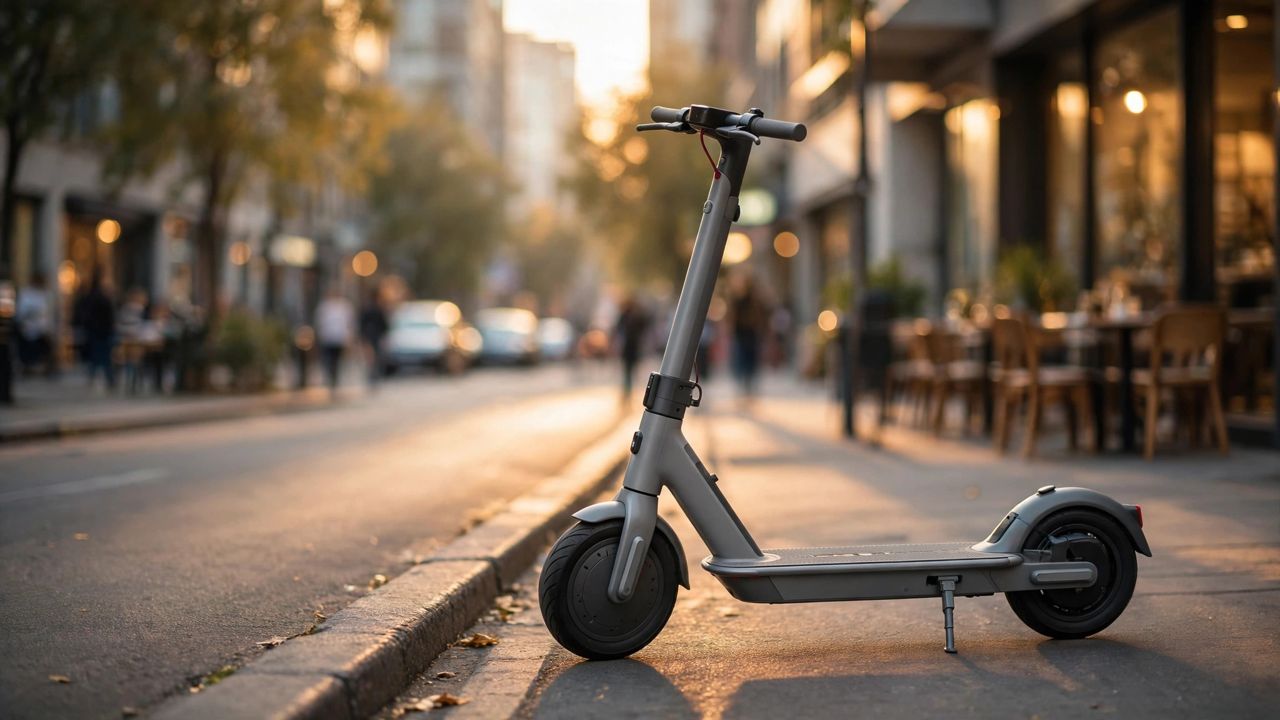
Electric scooters in 2026 are faster, longer-range, and cheaper than ever — which makes choosing one harder, not easier. Ignore the marketing and compare four numbers: real-world range, motor power, battery quality, and weight. Here's how.
Range: Cut the Advertised Number in Half
Manufacturers test range with a lightweight rider on flat ground at low speed. In real life, expect 50–70% of the claimed range, less in cold weather or on hills. For a 5-mile commute, buy a scooter rated for at least 15 miles. Range anxiety is the #1 regret among first-time buyers — overshoot it.
Speed and Motor Power
Most commuter scooters top out at 15–20 mph, which is plenty for bike lanes and city streets (and the legal limit in many places). Motor power matters more than top speed: 350W is fine for flat cities, 500W+ handles hills without slowing to a crawl. Dual motors are fun but drain the battery fast.
Battery and Build Quality
The battery is the most expensive part to replace, so buy from brands with certified cells and a real warranty (at least 1 year on the battery). Check the little things: pneumatic tires ride far better than solid ones, a rear or dual brake system stops you safely, and IPX water resistance keeps rain from killing the electronics.
Red Flags to Avoid
Skip scooters with no brand name, no warranty, and suspiciously low prices — cheap batteries are a fire risk. Avoid models with only an electronic brake (no mechanical backup). And check local laws first: some cities cap speeds or require helmets, and a scooter you can't legally ride is just an expensive decoration.
Buy for your actual commute — enough range, enough hill power, a battery you trust. Do that and your scooter will pay for itself in saved transit fares within months.