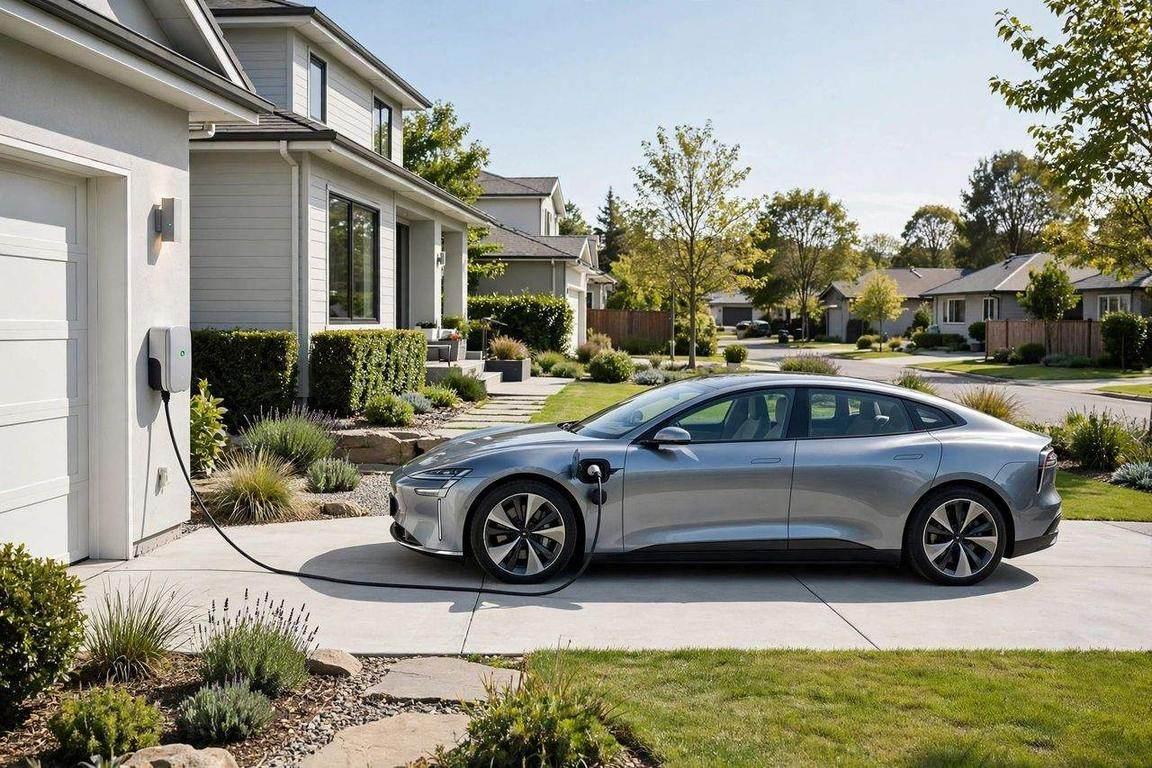
Electric cars have gone from curiosity to common sight in just a few years — and in 2026, falling prices and longer ranges have made them a serious option for ordinary drivers, not just early adopters. But an EV is a different kind of purchase than a petrol car, and the wrong choice can mean daily frustration. Buying an EV is less about faith in the future and more about doing simple homework first. Here's how.
Range: How Much Do You Really Need?
Range anxiety sells headlines, but most drivers cover under 40 miles a day. A car with 200–300 miles of rated range handles commuting, school runs, and weekend trips with ease. Match the car's real-world range to your longest regular trip, then add a buffer for cold weather, which can cut range by 20–30%. If you regularly drive 400 miles without stopping, keep your petrol car for those trips — or pick one of the long-range models.
Charging at Home vs on the Road
Charging is where EV ownership is won or lost. A home wallbox fills your car overnight while you sleep, costing far less per mile than petrol — you wake up every morning with a 'full tank.' Public fast chargers now add 100+ miles in 15–20 minutes, but they're pricier and slower on busy days. If you can't charge at home or at work, be honest with yourself: an EV may be more hassle than help. Renters should check workplace charging or nearby reliable stations first.
Battery Life and Warranty
The battery is the heart of an EV, and modern ones are tougher than early models suggested. Most makers now warranty the battery for 8 years or 100,000 miles, and data shows typical degradation of only 10–15% after 200,000 miles. To keep yours healthy, avoid charging to 100% daily or running it to empty — 20–80% is the sweet spot. Fast-charging occasionally is fine; doing it every day accelerates wear.
Costs and Incentives in 2026
EVs often cost more upfront than equivalent petrol cars, but the running costs tell a different story: electricity is cheaper per mile, there are no oil changes, and brake pads last far longer thanks to regenerative braking. Tax credits and local incentives can cut thousands off the purchase price in 2026 — but they change often and have eligibility rules. Always calculate total cost of ownership over 5 years, not just the sticker price. And get an insurance quote early: some EVs cost more to insure.
Which EV Suits You?
A compact hatchback is perfect for city commuting; a family needs space and a bigger battery; frequent road-trippers should prioritize fast-charging speed, not just range. Read owner forums for real-world complaints, not just launch reviews. Test-drive at least three models and price insurance before you sign anything. Take your time — the right EV will quietly save you money for a decade.