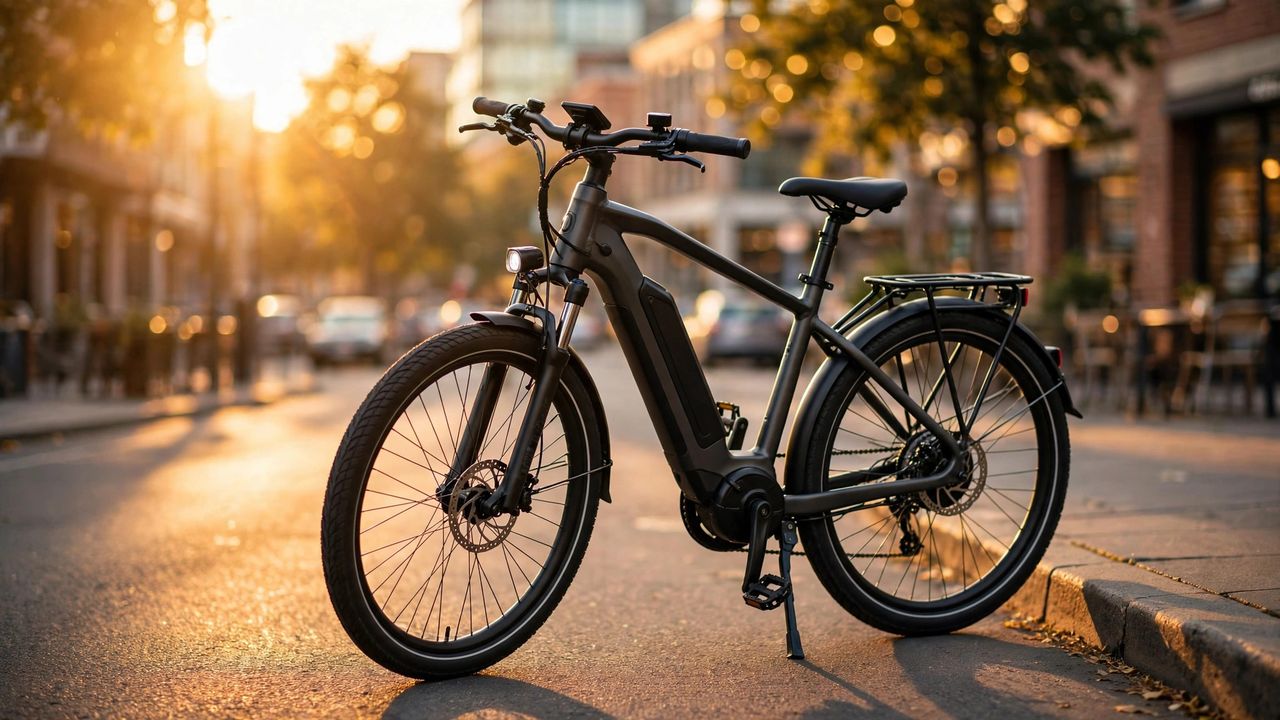
Electric bikes turn brutal commutes into pleasant rides and make hills disappear. But with hundreds of models and confusing specs, choosing one feels like homework. Here is what actually matters when buying an e-bike in 2026.
Match the Bike to Your Real Use
Commuters need fenders, lights, and a rack; trail riders need suspension and knobby tires; casual riders just need comfort. Buy for the riding you will do 90% of the time, not the adventure you might take once. A bike that fits your daily routine gets ridden; a wrong one gathers dust.
Understand Motors and Batteries
Mid-drive motors (at the pedals) climb hills better and feel more natural; hub motors (in the wheel) are cheaper and simpler. For range, look at battery watt-hours: 400Wh covers about 40–60 miles of assisted riding, 600Wh+ is better for long commutes. Real range is always 20–30% less than advertised — plan accordingly.
Test Ride Before You Buy
Specs cannot tell you how a bike feels. Visit a shop and ride at least two models, including one slightly above your budget so you know what extra money buys. Pay attention to weight — you will lift this bike onto racks and up stairs. If you cannot comfortably test ride it, do not order it online.
Budget for the Extras
A quality lock, helmet, lights, and basic maintenance gear add a few hundred dollars to your real cost. E-bikes also need periodic brake and drivetrain service, more often than regular bikes because they are heavier and faster. Buying from a shop with a service department saves headaches later — online-only brands can leave you hunting for a mechanic.
The right e-bike is the one that gets you riding more. Start with your daily route, buy quality from a brand with local service, and keep up with basic maintenance. Within a month, you will wonder how you ever drove short distances in a car. Happy riding — the hills are officially optional now.