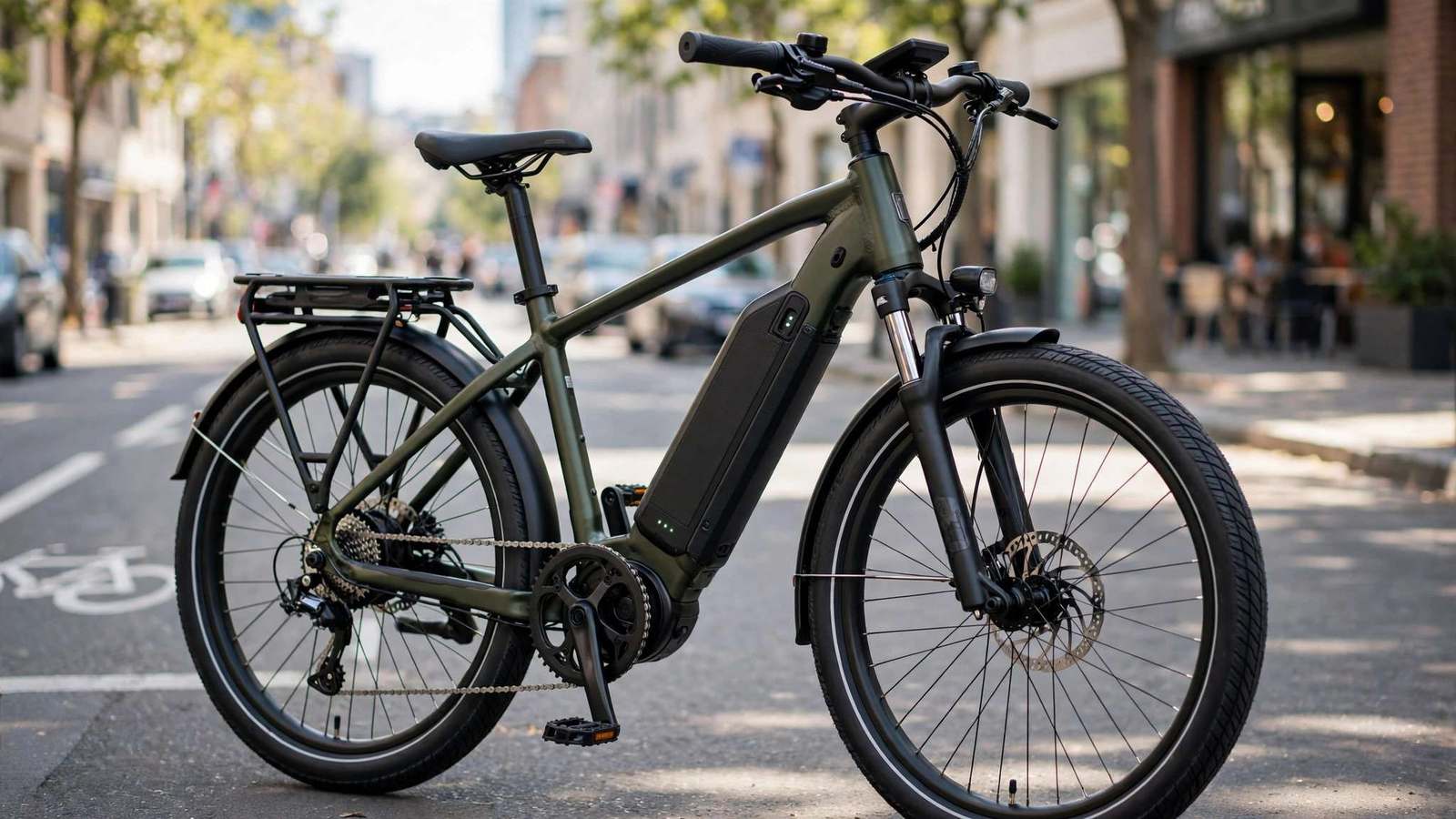
An e-bike flattens hills, shrinks commutes, and replaces short car trips — but buying the wrong type is an expensive mistake. Here is what actually matters in 2026.
Motor and Battery Basics
Hub motors sit in the wheel: cheap, quiet, and fine for flat cities. Mid-drive motors sit at the cranks: better for hills and trails, pricier to maintain. Battery capacity (Wh) determines range — more Wh, more miles. For city riding, 400–500Wh is plenty; for long tours, aim for 600Wh or more. Always test-ride with the assist level you will actually use, not eco mode.
Real Range, Not Marketing Range
Manufacturers quote range at the lowest assist level on flat ground with a light rider — your reality will be less. Expect roughly half the advertised max range in normal use with hills and higher assist. Cold weather cuts battery capacity by 10–20%. If your commute is 15km each way, buy a bike rated for at least double that so you are not charging at work in panic.
Commuter vs Mountain vs Folding
Commuters: want fenders, a rack, lights, and an upright position — buy the practical extras built-in, they cost more as add-ons. Mountain e-bikes: need mid-drive motors, suspension, and knobby tires; never take a cheap city hub-motor bike on real trails. Folding e-bikes: perfect for apartments and train commutes, but heavier than you expect — lift one before buying. Match the bike to your daily ride, not your fantasy ride.
Maintenance and Ownership
Charge between 20% and 80% for daily use to extend battery life; store the battery indoors in winter. E-bikes wear brake pads and chains faster than normal bikes — budget for that. Learn your local e-bike laws: power limits (often 250W) and assist cut-offs (often 25 km/h) vary by country. Lock it like a motorcycle — e-bikes are prime theft targets; a good lock costs less than insurance regret.
Smart start: test-ride two types — a hub commuter and a mid-drive — on your actual route. Ten minutes on real hills tells you more than ten reviews.