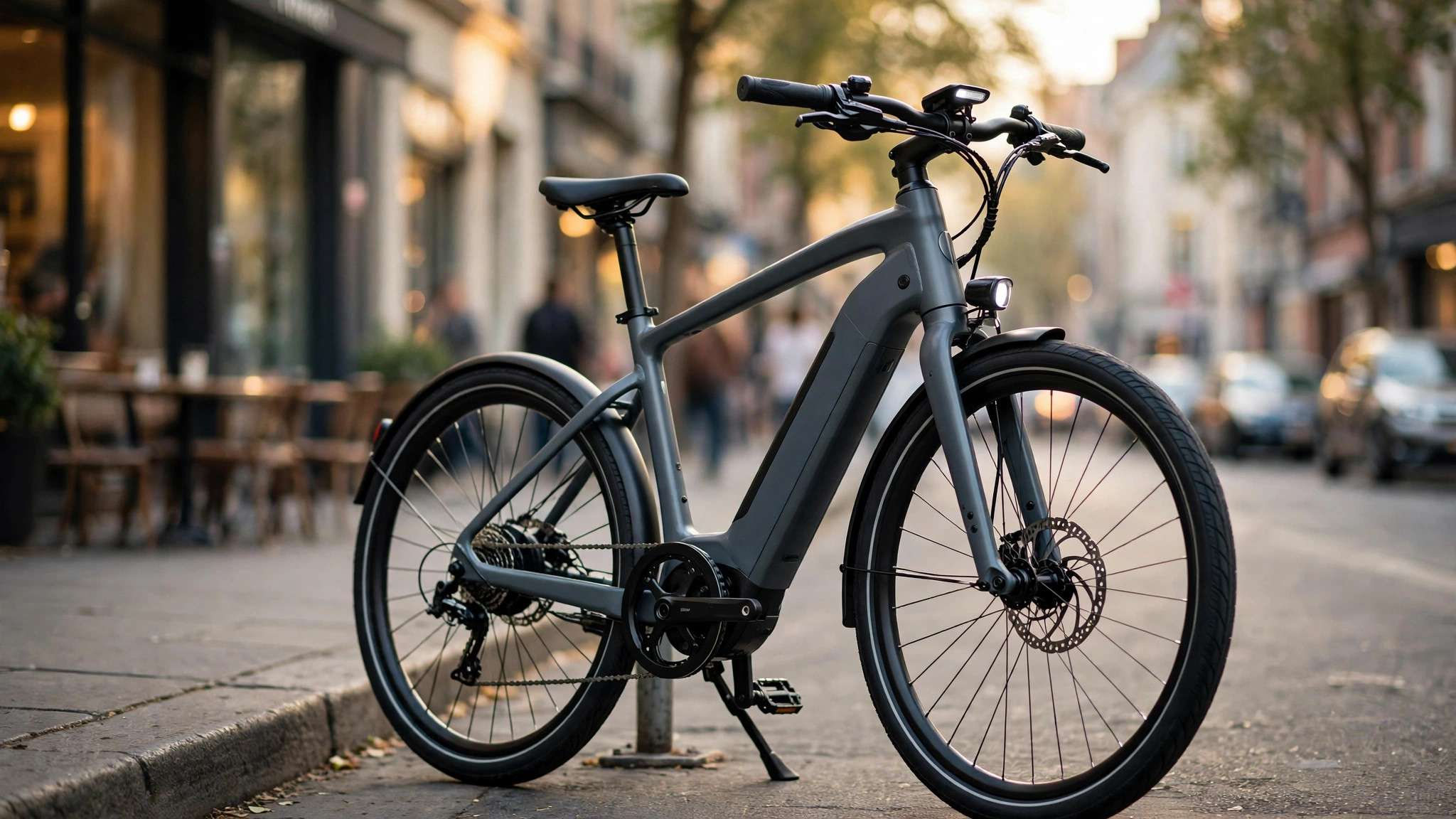
E-bikes are the fastest-growing way to commute in 2026 — cheaper than a car, faster than a regular bike, and genuinely fun. But prices range from a few hundred to several thousand dollars, and the specs sheet can be confusing. Before you pay, here's what actually matters.
Match the motor to your route
Hub motors in the wheel are affordable and fine for flat city rides; mid-drive motors at the pedals climb hills far better and feel more natural. Power is measured in watts — 250W suits gentle commuting, 500W–750W handles hills and heavier riders. Buy the motor for your worst hill, not your average street — that's where you'll feel the difference.
Don't believe the range claims
Advertised range is measured in ideal conditions: light rider, flat road, eco mode. In real life, expect roughly 60–70% of the claim. Battery capacity in watt-hours (Wh) is the honest number — 400–500Wh suits commuters, 600Wh+ suits long rides. Divide the claimed range by 1.5 to estimate your real range, then buy 20% more than you need.
Check the brakes and frame
E-bikes are heavy and fast, so brakes matter: hydraulic disc brakes outperform mechanical ones, especially in rain. Test-ride for comfort — the right frame size and a decent saddle make daily riding possible. Never buy an e-bike you haven't test-ridden; spec sheets can't tell you if it fits your body.
Look at warranty and parts
Batteries are the most expensive part to replace, so check the battery warranty (two years is standard) and whether the brand sells spare batteries and parts in your country. A cheap bike with no support becomes expensive fast. A strong warranty from a reachable company beats a slightly cheaper price from a mystery brand.
Choose for your route, verify the real range, test-ride before buying, and check the warranty. Do that and your 2026 e-bike will be a joy — not a regret on two wheels.