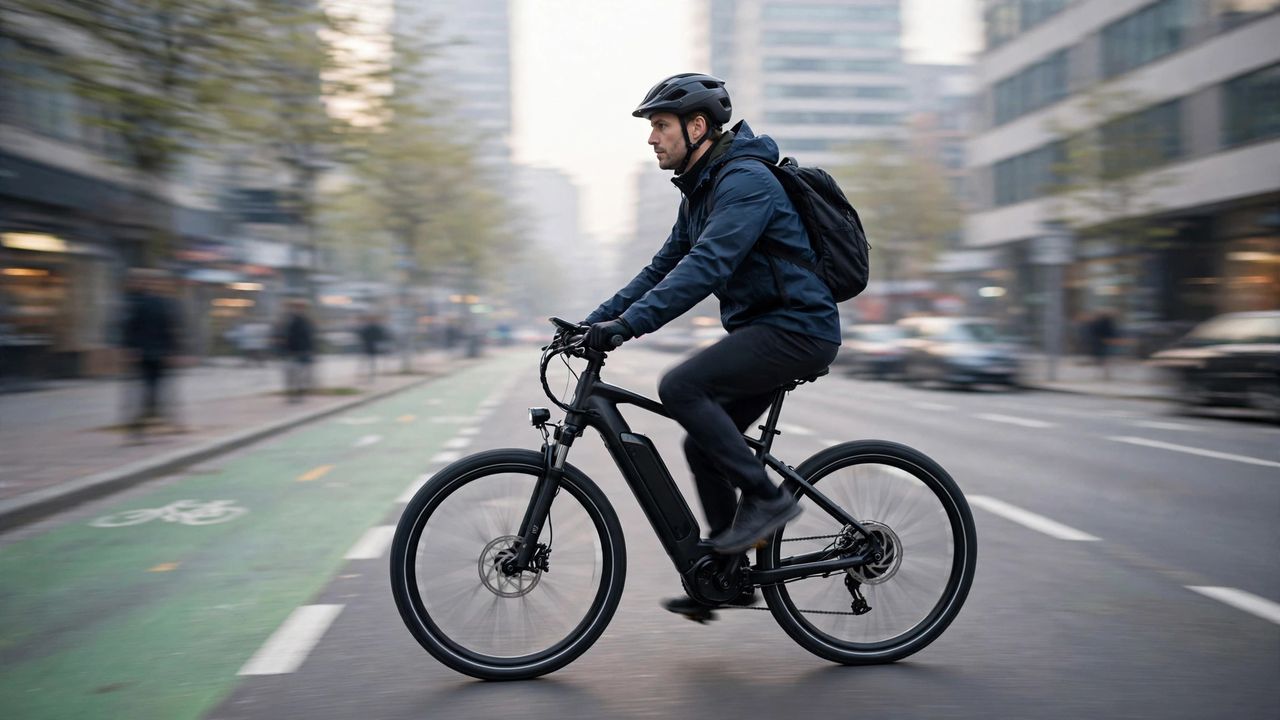
Commuting by car in 2026 means traffic, parking fees, and fuel prices that never stop climbing. An e-bike cuts a 10 km commute to about 20 minutes, costs pennies per charge, and beats most bus routes. Here's how to pick one and ride it to work every day.
Pick the right class and motor
E-bikes sold for commuting typically cap assistance at 25 km/h (EU) or 32 km/h (US) — fast enough to keep up with city traffic. A mid-drive motor handles hills better and lasts longer; a hub motor is cheaper and simpler. Buy for your worst hill, not your flattest road — that's the day you'll thank yourself. Test-ride before buying: frame fit matters more than spec sheets for daily comfort.
Battery range and charging at work
Manufacturers quote optimistic ranges — expect 60-70% of the advertised number in real commuting with hills and headwinds. For a 20 km round trip, look for at least 500 Wh. Most office commuters charge the battery once a day at work; a removable battery is worth its weight in gold when you park on the street. Charge to 80-90% daily and full-charge only before long rides — it extends battery life noticeably.
Safety gear is non-negotiable
You share roads with cars, so be visible: a good helmet, front and rear lights even in daylight, and reflective gear. Lock the bike with a solid U-lock through the frame, not a cable. Learn your route on a quiet weekend first, then ride it in traffic. Arrive predictable — cars can avoid what they can predict. Carry a small repair kit and learn to fix a flat.
The math: e-bike vs car
A decent commuter e-bike costs $1,500-2,500; a year of commuting costs maybe $100 in electricity and maintenance. Compare that to fuel, insurance, parking, and servicing for a car, and most commuters break even in 6-12 months. Add the health bonus — 40 minutes of daily exercise without finding gym time — and the car starts looking like the expensive option.
Start with a test ride, lock in a safe route, and give it two weeks. By week three you'll wonder why you ever sat in traffic.