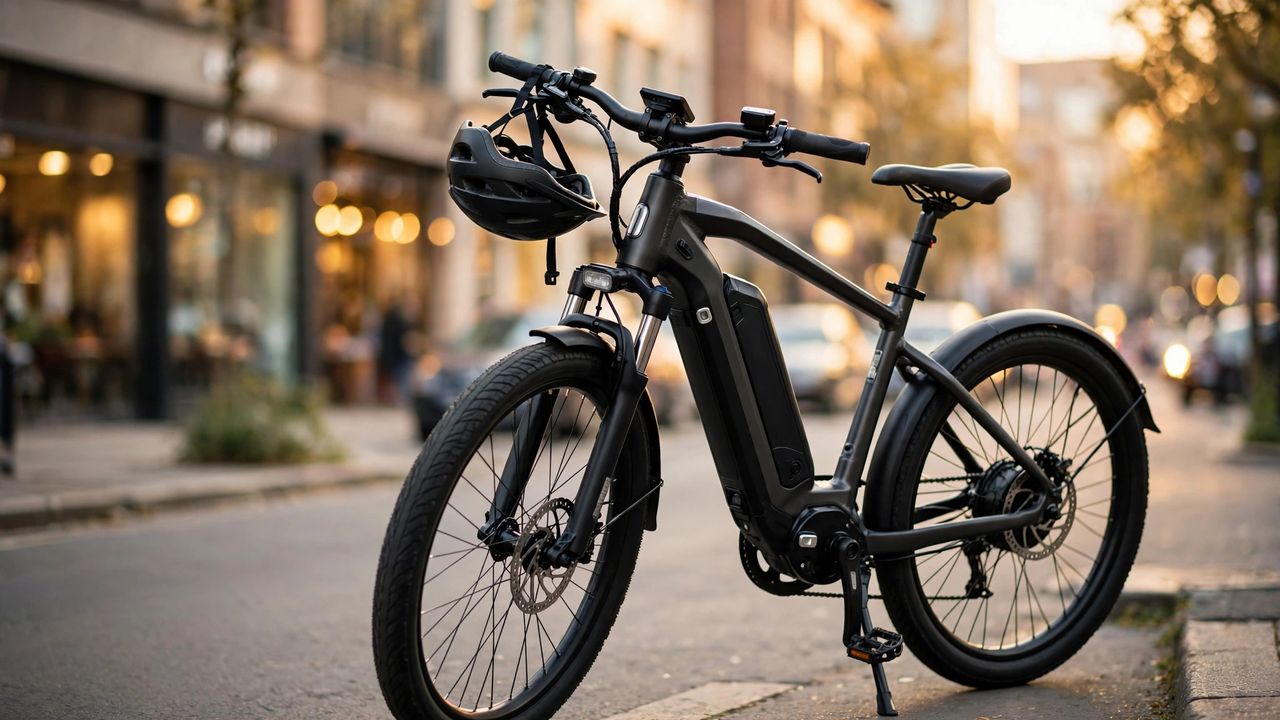
Electric bikes exploded in popularity, and 2026 models are better and cheaper than ever. But the market is a maze of motors, battery sizes, and classes. This guide cuts through the noise so you buy the right e-bike the first time — not the one you regret by summer.
Know the Three Classes (It Matters Legally)
Class 1 bikes give pedal-assist up to 20 mph; Class 2 adds a throttle; Class 3 reaches 28 mph with pedal assist. Many bike paths ban Class 2 and 3, and some cities treat high-powered bikes like mopeds. Check your local rules before buying — a great bike you can't ride anywhere is a waste of money.
Motor and Battery: The Real Specs
Hub motors are cheap, quiet, and fine for flat commutes. Mid-drive motors cost more but climb hills and feel natural. For batteries, look at watt-hours (Wh): 400–500 Wh suits short commutes, while 600–750 Wh gives 40–60 miles of real range. Ignore inflated "up to 100 miles" claims — real range is usually half the marketing number.
Fit and Type: Match the Bike to Your Ride
Commuters want fenders, racks, and lights; foldable bikes suit apartment dwellers and train riders; cargo e-bikes replace a second car for families. Always test-ride or check the sizing chart carefully — an e-bike you can't comfortably reach the ground on is dangerous. Hydraulic disc brakes are worth the upgrade for heavier, faster bikes.
What to Avoid
Skip no-name brands with no local dealer support — a dead battery with no replacement parts is an expensive paperweight. Avoid buying purely on price; a $600 e-bike often hides a weak battery and cheap brakes. And never store the battery fully charged in a hot garage — heat degrades lithium cells fast.
Buy the e-bike for the riding you'll actually do, from a brand that will still exist when you need a spare part. Do that, and your car might start gathering dust.