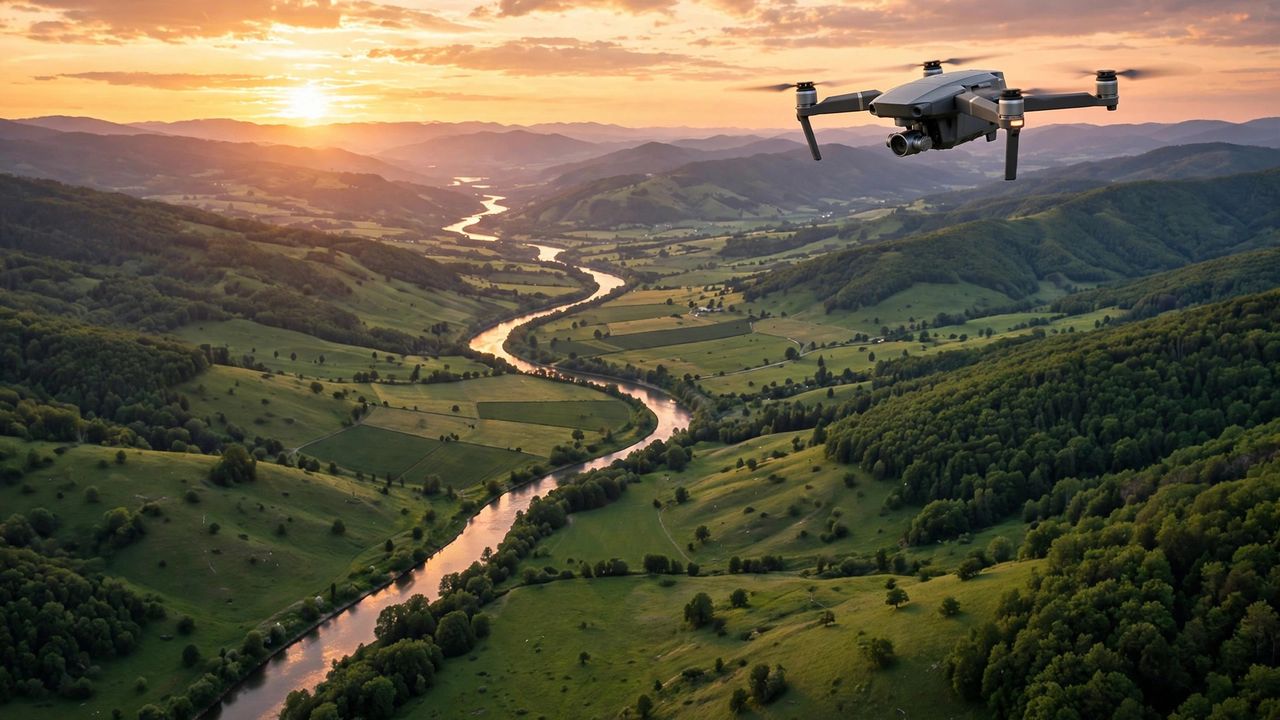
Drones in 2026 are smarter, lighter, and cheaper than ever — but buying the wrong one is still easy if you do not know what to look for. A beginner who wants fun weekend flying needs a very different drone from someone who wants cinematic 4K footage. Add in registration rules and no-fly zones, and it pays to research before you buy. This guide covers the best options and the legal basics every new pilot must know.
Beginner drones: start small and cheap
If you have never flown before, start with a lightweight drone under 250 grams. These are easier to register (often exempt in many countries), harder to crash, and cheap enough that a mistake does not hurt. Look for one-touch takeoff and landing, altitude hold, and propeller guards. Your first drone should be affordable enough that crashing it teaches you something, not bankrupts you.
Camera drones: sensor size and stabilization matter
For photography and video, prioritize a larger camera sensor, a mechanical or 3-axis gimbal, and true 4K video at 60 frames per second. Check real-world flight time — manufacturer claims are optimistic, and 25 minutes of advertised flight often means 20 in practice. Wind resistance also matters for outdoor shoots. A bigger sensor and real gimbal stabilization beat extra megapixels every time.
Registration and flying rules
Most countries require registration for drones above 250 grams and restrict flying near airports, crowds, and government buildings. In many places you must keep the drone within line of sight and below 120 meters. Check your country's aviation authority rules before your first flight — fines for violations are real and expensive. Learn your local drone laws before you buy, not after your first fine.
Accessories worth the money
Budget for at least one extra battery — 20-minute flights end quickly. A carrying case protects your investment during travel, and spare propellers are cheap insurance for beginners. ND filters dramatically improve video quality for camera drones in bright sunlight. Extra batteries are the single best accessory purchase for any drone pilot.
Buy a drone that matches your skill level, register it if your country requires it, and practice in an open field away from people before attempting anything fancy. Do that, and your first year of flying in 2026 will be safe, legal, and a lot of fun.