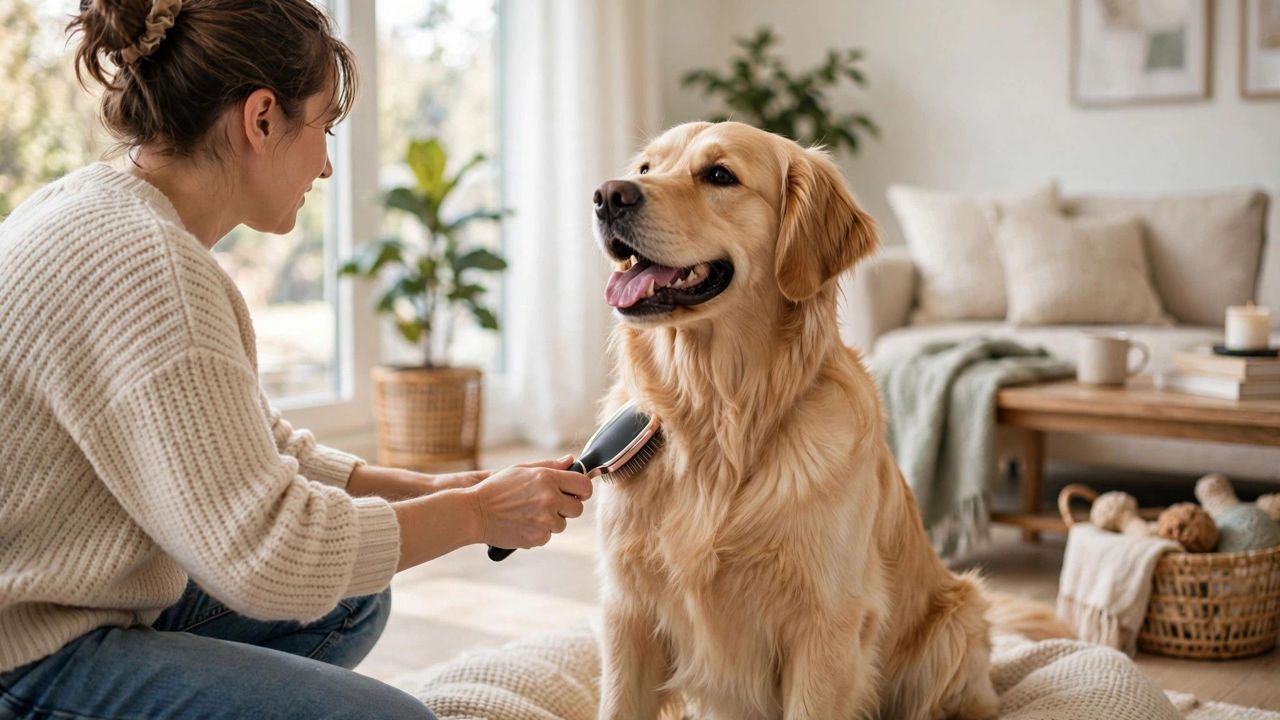
Professional grooming costs $50–$100 per visit — and most dogs need it every 6–8 weeks. Learning to groom at home saves serious money and turns a stressful car ride into calm bonding time. The good news: bathing, brushing, nail trimming, and ear cleaning are all beginner-friendly once you know the right technique. Here is exactly how to do each one safely in 2026.
Brushing: The Foundation of Everything
Brush before every bath — water tightens existing mats into painful knots. Use a slicker brush for long coats and a bristle brush for short ones, working in the direction of hair growth with gentle, even strokes. Brush 2–3 times weekly for most breeds, daily for heavy shedders like huskies. Reward calm behavior with treats so brushing becomes something your dog looks forward to. Always brush out mats and tangles before the bath, never after — wet mats tighten and become nearly impossible to remove.
Bathing Without the Battle
Use lukewarm water and a dog-specific shampoo — human shampoo disrupts their skin pH and causes itching. Wet from neck to tail, lather thoroughly, and rinse twice, because leftover shampoo irritates skin. Place a non-slip mat in the tub and a cotton ball loosely in each ear to block water. Most dogs need a bath every 4–8 weeks; over-bathing strips natural oils. Rinse twice and check for slippery residue — leftover shampoo is the number one cause of post-bath scratching.
Nail Trimming Without Fear
Overgrown nails affect how your dog walks and can cause joint pain. Use a guillotine or scissor-style trimmer, trim just the tip, and stop well before the pink quick visible inside light nails. For dark nails, take tiny slivers until you see a gray oval appear. Keep styptic powder nearby — quick nicks bleed but are not emergencies. Trim small amounts every 2–3 weeks instead of large cuts monthly — frequent small trims keep the quick receding and prevent bleeding.
Ears, Eyes and Finishing Touches
Wipe ears weekly with a vet-approved ear cleaner on a cotton ball — never push anything deep into the canal. Wipe tear stains gently with a damp cloth, and trim hair around the eyes and paw pads carefully with blunt-tipped scissors. Finish with a full brush-through and a treat. Watch for redness, odor, or head-shaking, which signal a vet visit, not more home grooming. If ears smell bad or look red and inflamed, skip home cleaning and call your vet — infections need professional treatment.
Start with one task per session and build up slowly. Within a month, you will have a calmer dog, a shinier coat, and a wallet that thanks you every six weeks.