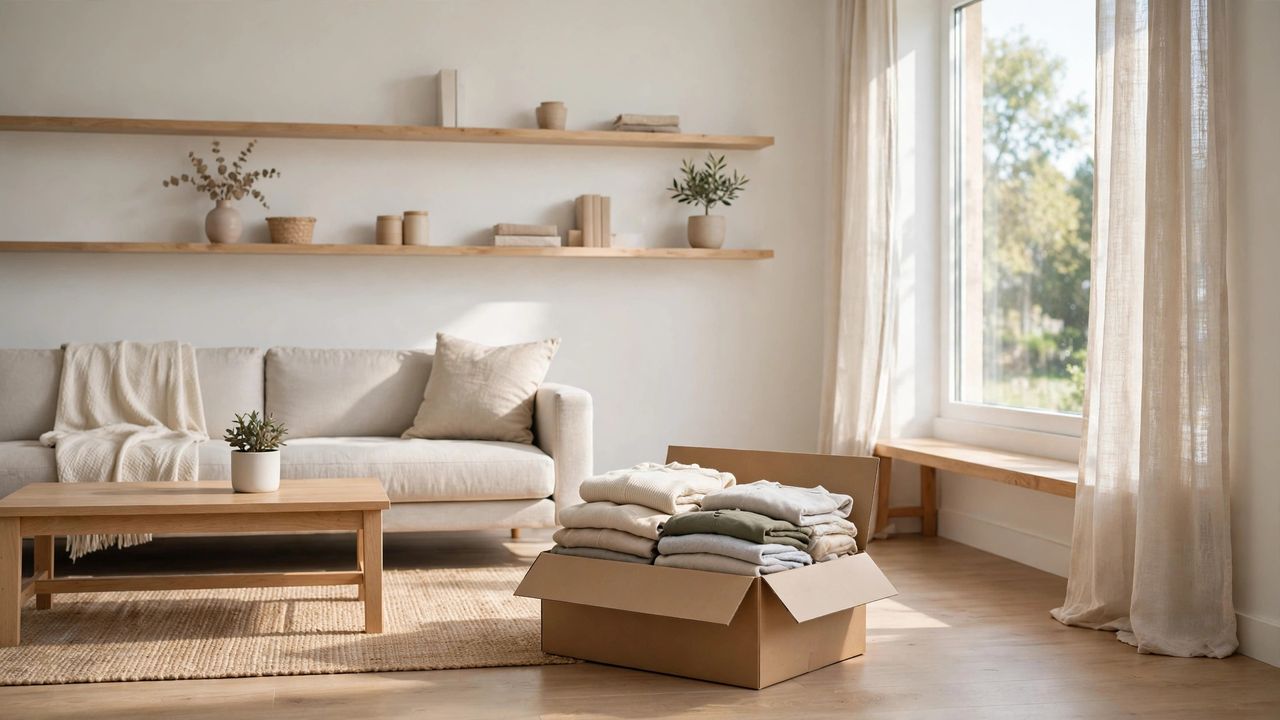
Staring at a whole messy house can feel paralyzing — so don't. The 30-day declutter challenge breaks the job into tiny daily wins: one small zone per day, just 15–20 minutes at a time. A single drawer. One shelf. The medicine cabinet. By the end of the month, you'll have touched almost every corner of your home, and you'll wonder why you ever lived surrounded by clutter.
Why Decluttering Changes How You Feel
Clutter isn't just untidy — it's visual noise that quietly raises your stress. Fewer things mean less to clean, less to lose, and less time spent hunting for your keys. Studies link tidy spaces to lower anxiety and better focus. When every item has a home and every surface can breathe, your brain stops scanning a thousand loose ends. The goal isn't a magazine-perfect house; it's a home that feels light instead of heavy when you walk in the door.
The Rules of the 30-Day Challenge
Keep it simple so you actually finish. Rule one: one small zone per day, 15–20 minutes max. Set a timer and stop when it rings — momentum beats marathons. Rule two: keep a "donation box" open at all times; anything leaving your home goes straight in, no "maybe later" pile. Rule three: the 12-month rule — if you haven't used or worn it in the past year, it goes. Sentimental items and seasonal gear are the only exceptions, and you'll handle them in week four.
Your Week-by-Week Plan
Week 1 — Clothes & shoes: closet first, then dressers, then entryway. Try everything questionable on; if it doesn't fit or you don't love it, it's gone. Week 2 — Kitchen & bathroom: toss expired medicines and spices, match lids to containers, and ditch the five half-dead phone chargers. Week 3 — Papers, drawers & digital: shred old bills, organize the junk drawer, and clear your phone's camera roll and downloads folder — digital clutter counts. Week 4 — Sentimental items & final sweep: handle keepsakes last, when your decision muscle is strong, then walk room by room for a final check.
Where Everything Goes
Every item you touch lands in one of four places: keep, donate, recycle, or trash. Make the donation box non-negotiable — schedule a drop-off day now so full bags don't sit in your hallway. Photograph sentimental items before letting them go; the memory lives in the photo, not the object. And adopt a simple rhythm: one bag out the door each week. Watching clutter physically leave the house is the most motivating part of the challenge.
Staying Clutter-Free After Day 30
Decluttering is the easy part — staying that way is the skill. Use the one-in-one-out rule: a new shirt in means an old one out. Do a weekly 10-minute reset — walk through each room with a small basket and return strays to their homes. And before any purchase, take a 48-hour shopping pause and ask where the item will live. If it has no home, you don't need it. Thirty days of small wins build a habit that keeps your home calm all year.