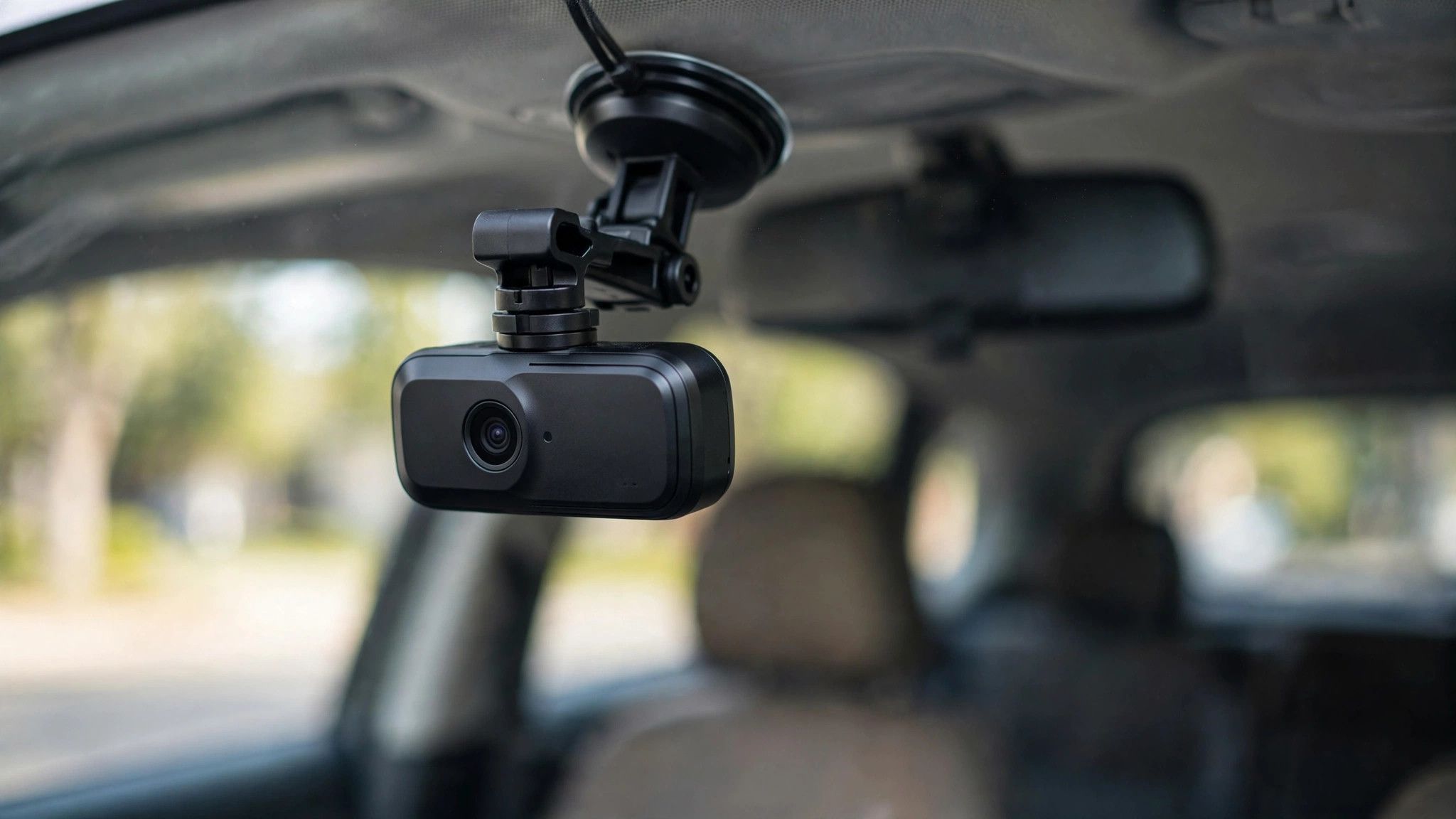
A good dash cam is the silent witness every driver needs — it records accidents, settles disputes, and can even lower your insurance stress. The best dash cam for you balances resolution, night performance, and parking protection, not just the price tag.
Resolution: Why 4K Front Matters
In 2026, 4K front cameras have become affordable, and the difference is real: license plates stay readable at twice the distance of 1080p models. Choose at least 4K front — it is the single biggest factor in usable evidence. Rear cameras can be 1080p or 1440p without losing much.
Night Vision and Low-Light Performance
Most incidents happen at dawn, dusk, or night, so sensor quality beats raw megapixels after dark. Watch real night sample footage before buying, not just the spec sheet. Look for larger image sensors and wide dynamic range (WDR) for clear headlights-free footage.
Parking Mode and Hardwiring
Parking mode keeps the camera watching while your car is off, capturing hit-and-runs and break-ins. You need a hardwire kit (or OBD cable) to use parking mode — it will not run on the 12V socket alone. A good kit also cuts power if the car battery runs low.
Storage: Get an Endurance microSD Card
Dash cams overwrite footage in a loop, which wears ordinary memory cards out fast. Always use a high-endurance (not regular) microSD card — 128GB or more for 4K. Many 2026 models support 512GB, giving weeks of loop history before overwrite.
Single vs Dual-Channel Setup
A dual-channel system adds a rear camera, protecting you from rear-end collisions and tailgating claims. If you drive in busy traffic daily, the rear channel doubles your coverage for a small price bump. Taxis and rideshare drivers may add an interior camera too.
GPS, Apps, and Smart Extras
Built-in GPS stamps speed and location on your footage — powerful evidence in a dispute. GPS logging is the one extra that genuinely pays off in insurance claims. Wi-Fi app control is handy for downloading clips without removing the card.