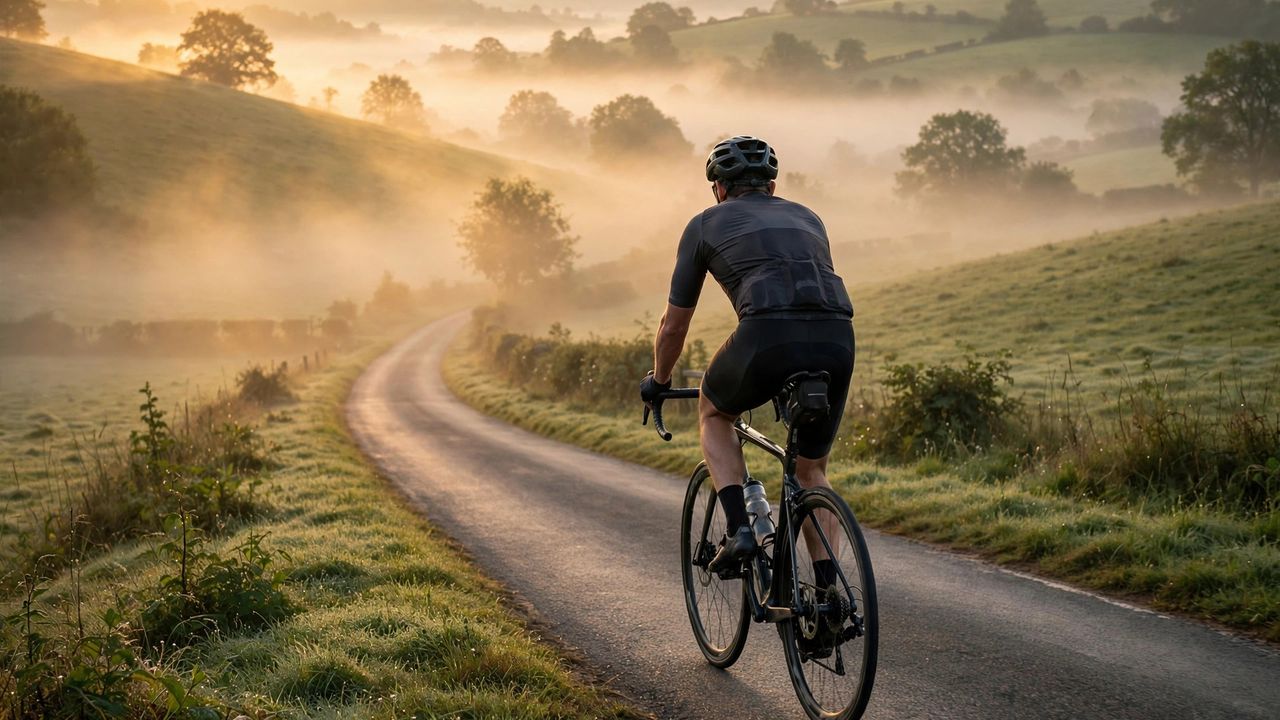
Cycling is one of the cheapest, healthiest, and most joyful ways to get around — and 2026 is a great time to start, with better bike lanes and affordable bikes than ever. You do not need an expensive bike or pro gear to begin; you need a bike that fits, a helmet, and a safe place to ride. Here is everything to know.
1. Choose the right type of bike
For most beginners, a hybrid bike is the sweet spot — comfortable on roads and fine on light trails. Road bikes are faster but twitchier; mountain bikes are tougher but heavier. Buy from a local bike shop if you can, because a proper frame-size fitting prevents knee pain and makes riding far more enjoyable.
2. Get the essential gear first
A well-fitting helmet is non-negotiable — replace it after any crash. Add front and rear lights (even for daytime riding), a sturdy lock, and a small repair kit with a spare tube and pump. Padded shorts and gloves sound optional until your first long ride, after which they feel essential.
3. Learn the road safety basics
Ride in the same direction as traffic, stay visible with bright clothing, and use clear hand signals before turning. Assume drivers have not seen you and ride defensively, especially at intersections. Start on quiet streets, bike paths, or parks before tackling busy roads.
4. Build fitness gradually
Begin with short, easy rides of 20–30 minutes, two or three times a week. Increase distance by about 10% per week to avoid burnout and injury. Shift to easier gears to keep your legs spinning comfortably rather than grinding — your knees will thank you.
5. Maintain your bike simply
Basic maintenance keeps riding safe and cheap: keep tires properly inflated (check weekly), keep the chain lightly lubricated, and wipe down the bike after wet rides. Learn to fix a flat tire at home — it is a 15-minute skill that saves you from being stranded miles away.