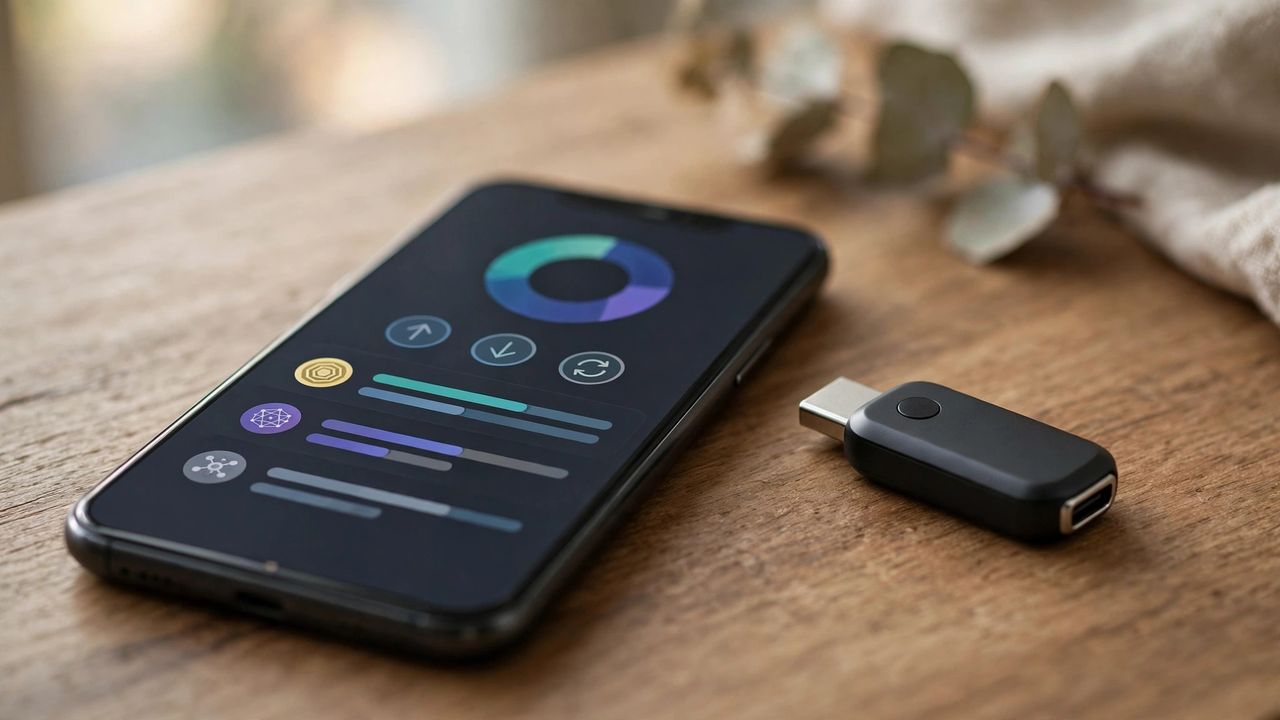
A crypto wallet does not store coins the way a leather wallet holds cash. It stores the private keys that prove you own your crypto on the blockchain, so losing those keys means losing your money forever. In 2026, with exchange hacks and phishing scams still hitting headlines, understanding wallet basics is no longer optional for anyone buying Bitcoin or Ethereum. Here is what beginners need to know before moving a single coin.
Choose Between Hot and Cold Wallets
Hot wallets live on your phone or browser and connect to the internet, which makes them perfect for daily trading and small amounts. Cold wallets are physical devices or paper backups that stay offline, so hackers cannot reach them remotely. A smart setup uses both: keep spending cash in a hot wallet and savings in cold storage. Never keep your entire crypto stack on an exchange or a single hot wallet. Splitting your funds this way limits the damage if one account gets compromised.
Guard Your Seed Phrase Like Cash
Your seed phrase is a list of 12 to 24 words that can restore your wallet on any device. Write it on paper and store it somewhere safe, far from your phone. Never photograph it, screenshot it, or save it in cloud storage or email. Anyone who gets your seed phrase owns your crypto — no bank can reverse the theft.
Build Strong Security Habits
Enable two-factor authentication on every exchange and wallet app, ideally with an authenticator app rather than SMS. Bookmark the sites you use and never log in through links in emails or messages. Double-check the first and last characters of any address before sending funds. Always test with a tiny transaction before sending large amounts.
Watch Out for Common Scams
Scammers impersonate support teams, build fake wallet sites, and promise free airdrops that steal your keys. Clipboard malware can swap a pasted address for the attacker's own. If a message creates urgency — act now or lose everything — it is almost certainly a scam. No legitimate project will ever ask for your seed phrase or private key.
You do not need to be a security expert to keep your crypto safe — you just need consistent habits. Start with a reputable wallet, move most funds to cold storage, and treat your seed phrase like the keys to a vault. Small steps today prevent painful losses tomorrow.