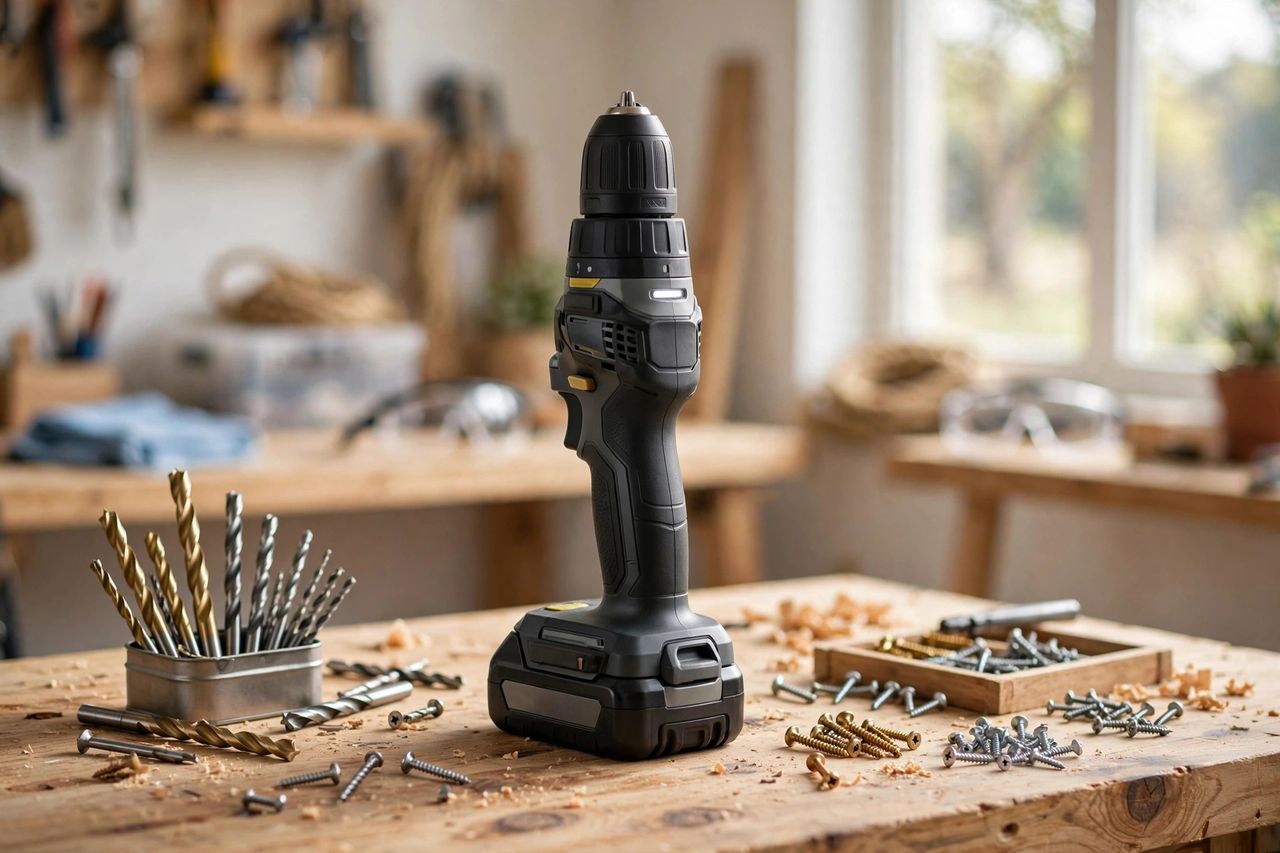
Buying the right cordless drill can make the difference between a weekend project that flies and one that drags. In 2026, drill technology has matured: batteries last longer, brushless motors are now standard even on mid-range models, and smart features like Bluetooth battery gauges are common. Whether you're hanging shelves or building a deck, this guide breaks down the specs that actually matter — voltage, torque, and chuck size — and shows you how to pick the best drill for your needs.
Voltage: 12V vs 18V vs 20V Max
The voltage number on the box is the biggest marketing hook, but it doesn't tell the whole story. 12V drills are light and compact — perfect for assembling furniture, driving small screws, and overhead work where your arm tires quickly. 18V/20V Max platforms deliver the power needed for drilling into hardwood, masonry, and driving long lag screws. Note that "20V Max" is just marketing for the same 18V nominal battery. If you plan to expand into other tools later, pick a brand with a big battery platform you can grow into.
Torque: The Spec That Does the Work
Torque, measured in Newton-meters or inch-pounds, tells you how much twisting force the drill produces. For general DIY, 30–50 Nm is plenty. Heavy-duty work like mixing paint or drilling large holes calls for 60 Nm or more. More important than the peak number is the adjustable clutch — look for at least 20+ clutch settings so you can dial in just enough force to drive screws without stripping them or snapping soft materials.
Batteries and Brushless Motors
In 2026, always choose a brushless motor — it runs cooler, lasts longer, and squeezes up to 50% more runtime from each charge than old brushed designs. Lithium-ion batteries are the only option worth buying; look for at least a 4.0Ah battery in the kit, since the tiny 2.0Ah packs die fast under load. Buy a kit with two batteries so one can charge while you work, and check that the charger is a fast charger (under an hour), not a slow overnight one.
Chuck Size and Ergonomics
Most cordless drills use a 13mm (1/2 inch) metal chuck — avoid plastic chucks, which wobble and wear out. A ratcheting single-sleeve chuck lets you tighten bits with one hand. Equally important is comfort: hold the drill before buying if you can. A good grip, balanced weight, and an LED work light that actually illuminates the bit (not just the general area) make long jobs far more pleasant. Variable-speed triggers with two mechanical gears (low for torque, high for speed) are a must.
The best cordless drill is the one that matches your actual projects, not the biggest numbers on the shelf. Match voltage to your workload, insist on brushless and dual batteries, and choose a brand platform you can expand. Spend once on quality, and your drill will serve you faithfully for a decade of projects.