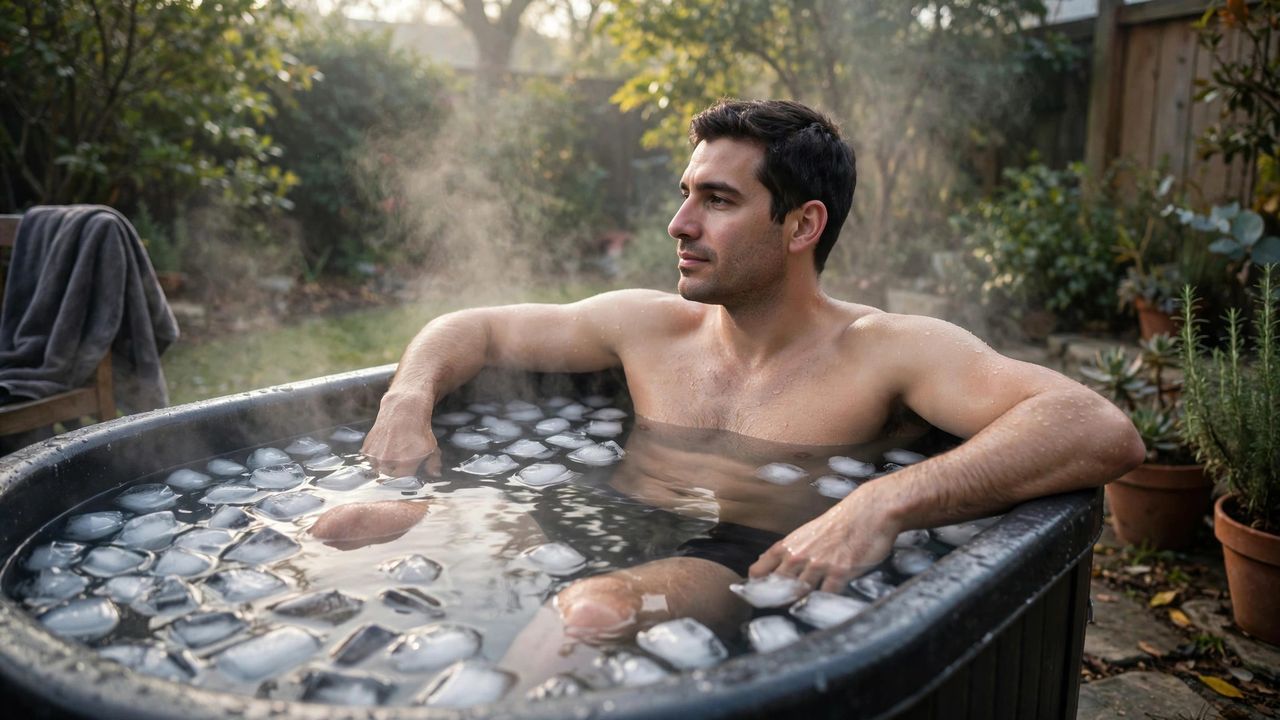
Cold plunges went from athlete-only ritual to mainstream wellness trend — and the science is catching up. Here's what icy water actually does for your body, and how to start safely.
What the Research Actually Shows
Studies link cold-water immersion to reduced muscle soreness, improved mood, and a spike in norepinephrine (alertness and focus). The evidence for long-term immunity boosts is thinner than influencers claim — treat it as a recovery and mood tool, not a miracle cure. Consistency beats intensity: regular short plunges outperform occasional extreme ones.
How to Start Safely
Begin with 30–60 seconds in 50–59°F (10–15°C) water — cold shower endings count. Never plunge alone as a beginner, breathe slowly (no gasping hyperventilation), and exit immediately if you feel dizzy or numb. People with heart conditions or high blood pressure should check with a doctor first — cold shock spikes heart rate fast.
Beginner Mistakes to Avoid
The classic error is going too cold, too long, too soon — more isn't better. Don't plunge right after intense strength training if muscle growth is your goal (cold can blunt adaptation). And don't warm up with alcohol — it dilates blood vessels and masks warning signs. Warm up gradually with dry clothes and movement instead.
DIY Setup vs. Buying a Tub
You can start with a bathtub full of cold water and ice — total cost under $20. Dedicated plunge tubs ($100–$300 for inflatable, $3,000+ for chilled units) add convenience and precise temperature control. Try the cheap version for a month; only invest if the habit sticks.
Cold plunging works best as a simple, consistent habit: a few minutes, a few times a week. Respect the cold, start gentle, and let the practice — not the hype — convince you.