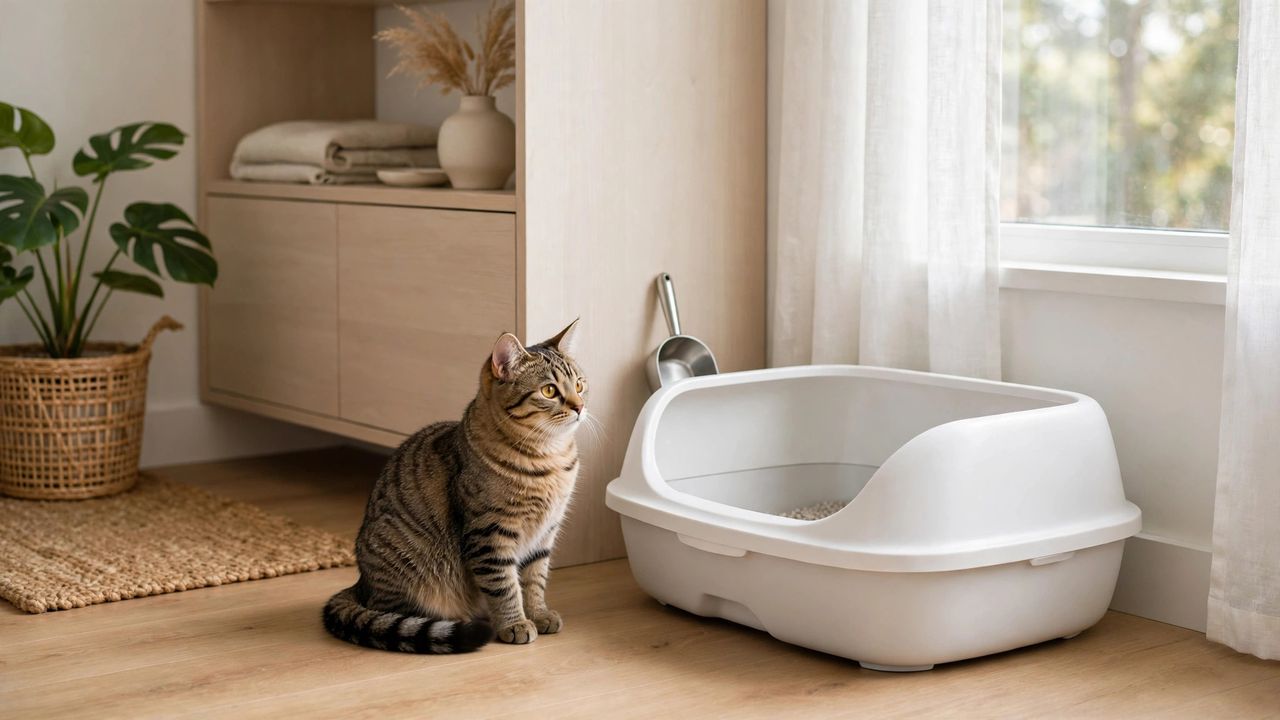
Choosing the right cat litter affects your cat's health, your home's smell, and how much time you spend cleaning. With dozens of products on shelves in 2026, the choice can feel overwhelming. This guide breaks down the main types, real odor-control strategies, and how to match a litter to your cat.
Clumping Clay: The Popular Standard
Clumping clay litter is made from bentonite, a natural clay that forms tight, scoopable clumps when wet. It makes daily scooping fast and keeps the rest of the box fresh. Look for low-dust formulas — heavy dust can irritate both your cat's lungs and yours. Unscented versions are usually better for sensitive cats, since artificial fragrance can drive some cats away from the box entirely.
Crystal and Silica Litters
Silica gel crystals absorb urine instead of clumping it. One bag lasts much longer than clay, and the crystals are excellent at trapping odor. You scoop the solids and stir the crystals daily, and the box needs a full change only about once a month. The downside: some cats dislike the crunchy texture under their paws, so watch how yours reacts in the first days.
Natural and Biodegradable Options
Pine, corn, wheat, and walnut-shell litters appeal to eco-conscious owners. They produce less airborne dust and many can be composted or flushed in small amounts. Pine pellets are especially good at controlling odor and are among the cheapest options per month. Transition slowly — mix the new litter with the old over a week so your cat accepts the change.
Odor Control That Actually Works
No litter works miracles on its own. Scoop at least once a day, keep about 3–4 inches of litter in the box, and wash the box with mild soap every few weeks. Place the box in a ventilated spot, away from the cat's food. A covered box can contain smell but may also trap it inside — if your cat avoids covered boxes, switch back to an open one.
Matching Litter to Your Cat
Kittens, seniors, and cats with breathing issues do best with low-dust, unscented litter. Long-haired cats pick up less of the larger pellet or crystal types in their fur. If your cat suddenly stops using the box, the litter — not the cat — is often the problem. Try a different texture before assuming anything else is wrong.
The best litter is the one your cat uses happily and you can maintain without dread. Start with a low-dust clumping clay or a natural pellet, keep the box clean, and adjust based on your cat's behavior. A few minutes of daily care keeps both the odor and the vet bills down.