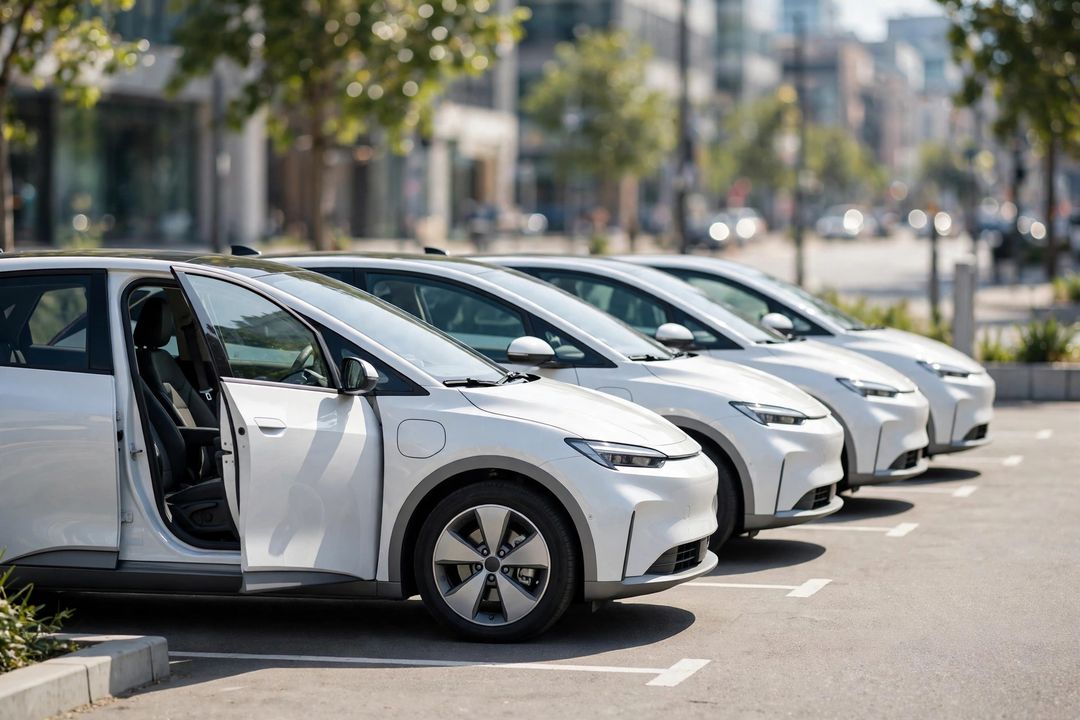
A car is the second-biggest purchase most people make — and it sits parked 95% of the time, quietly draining money on payments, insurance, and depreciation. In 2026, car-sharing services, subscriptions, and ride apps have matured into real alternatives. So which actually costs less: owning your car or sharing one? Let's do the honest math.
The True Cost of Owning a Car
Ownership costs far more than the monthly payment. Add up insurance ($100-250/month), fuel or charging, maintenance and tires ($1,000-2,000/year), registration and inspections, parking, and the silent killer: depreciation — a new car loses roughly 20% of its value in the first year alone. All in, the average car owner in 2026 spends around $800-1,200 per month when everything is counted. If you drive 15,000+ miles a year for work or family, ownership usually wins on pure cost — high mileage makes per-trip sharing expensive. But if your car mostly sits in a driveway, you're paying full price for part-time use.
What Car Sharing Really Costs
Modern car sharing comes in three flavors. Hourly/minute sharing (services that park cars around your city): great for errands and short trips, typically $8-15 per hour including fuel and insurance. Car subscriptions: a monthly fee ($400-900) for a car with insurance, maintenance, and swaps included — like leasing with zero commitment. Peer-to-peer sharing: renting neighbors' cars by the day, often cheaper than traditional rentals. The catch: availability isn't guaranteed — on holidays or in suburbs, cars may be gone when you need one, and last-minute surge pricing stings.
The Decision Rule: Do Your 30-Day Math
Track every trip for a month: how many miles, how many trips, how many were urgent. Then compare: if you drive fewer than ~8,000 miles a year mostly in a city with sharing coverage, sharing usually wins — many urban drivers save $3,000-6,000 a year by ditching ownership. If you commute long distances daily, need a car for kids' schedules, or live where sharing is thin, ownership is still king. A smart middle path: own one cheap reliable car and share for the second — many two-car households can drop to one car plus occasional sharing and save thousands. Whatever you choose, decide with a spreadsheet, not with car-lot emotions.
The cheapest car is the one you don't own — but only if your lifestyle fits. Run your numbers honestly for 30 days, and the right answer will be obvious. Your wallet will thank you either way.