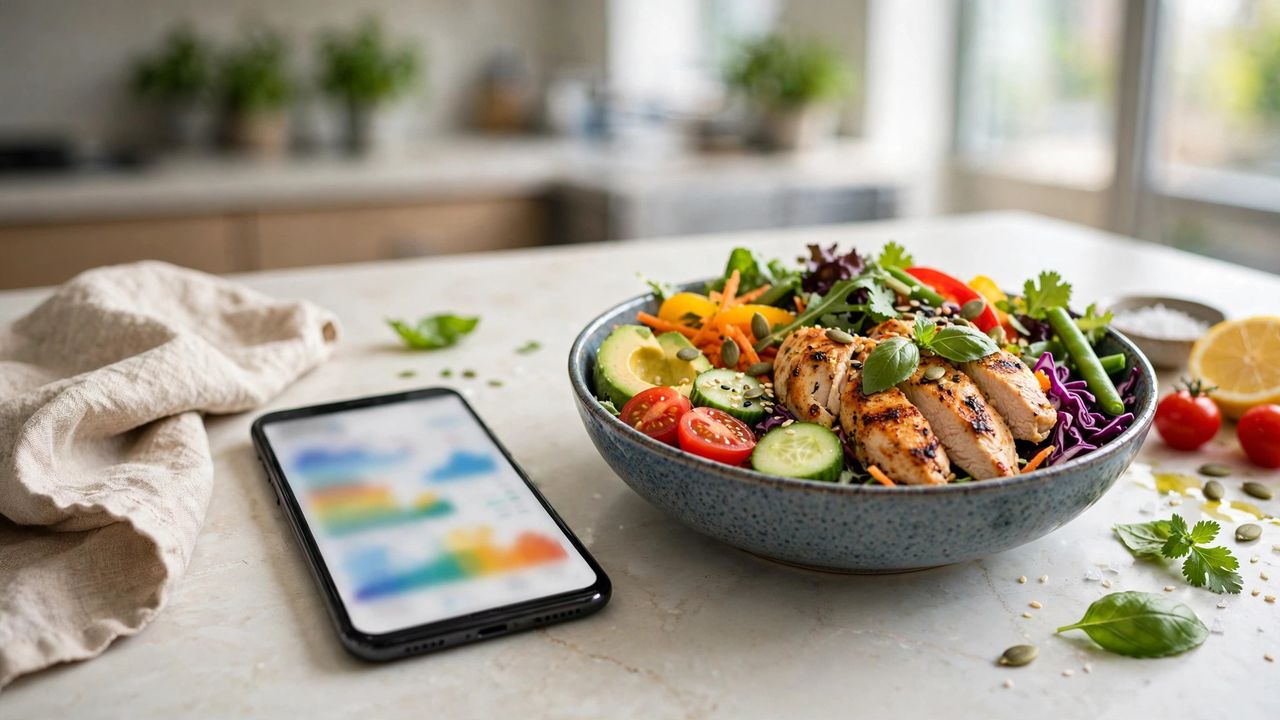
Most diets fail for one simple reason: people have no idea how much they're actually eating. Studies show we underestimate our intake by 30–50%. Calorie tracking apps fix that blind spot — turn your phone into a food diary, and suddenly weight loss (or healthy weight gain) becomes a numbers game you can actually win. Here's how to pick the right app and use it without going crazy.
What Makes a Great Tracking App
The best app is the one you'll actually open three times a day. Look for a huge food database with barcode scanning — typing "chicken biryani" and finding a close match in seconds beats manual entry every time. Macro tracking (protein, carbs, fat) matters more than calories alone if you want to lose fat without losing muscle. Helpful extras: recipe import from websites, restaurant entries for common chains, and syncing with your fitness watch so exercise calories adjust automatically. A good free plan is essential — many top apps hide the best features behind paywalls, so check what's free before committing.
How to Track Without Obsessing
Start with honest logging for two weeks — no judgment, just data. Most people discover their "healthy" snacks are the real problem. Set a realistic calorie target: a 300–500 daily deficit loses about 0.5 kg per week, which is sustainable; crash deficits of 1000+ backfire through hunger and bingeing. Weigh portions for calorie-dense foods (oils, nuts, cheese) but eyeball vegetables and lean proteins — perfection isn't the goal, consistency is. Eat enough protein (roughly 1.6–2 g per kg of body weight) to protect muscle while losing fat. And take one free day a week from strict tracking — rigidity kills diets faster than any cheat meal.
Common Mistakes to Avoid
Forgetting liquid calories is the classic: juices, lattes, and sodas can add 300–500 hidden calories daily. Trusting exercise calories too much is another — apps overestimate burn, so eat back only half of what your workout "earned." Quitting after one bad day ruins more diets than bad days themselves; one overeaten evening changes nothing if the other six days were on target. Finally, if tracking starts causing anxiety or guilt around food, take a break — the app is a tool for awareness, not a judge. For anyone with a history of disordered eating, skip calorie counting entirely and work with a professional instead.
Calorie tracking works because awareness beats willpower. Pick an app with a big database and a free plan you like, log honestly for two weeks, and let the numbers guide you — your goals are closer than you think.