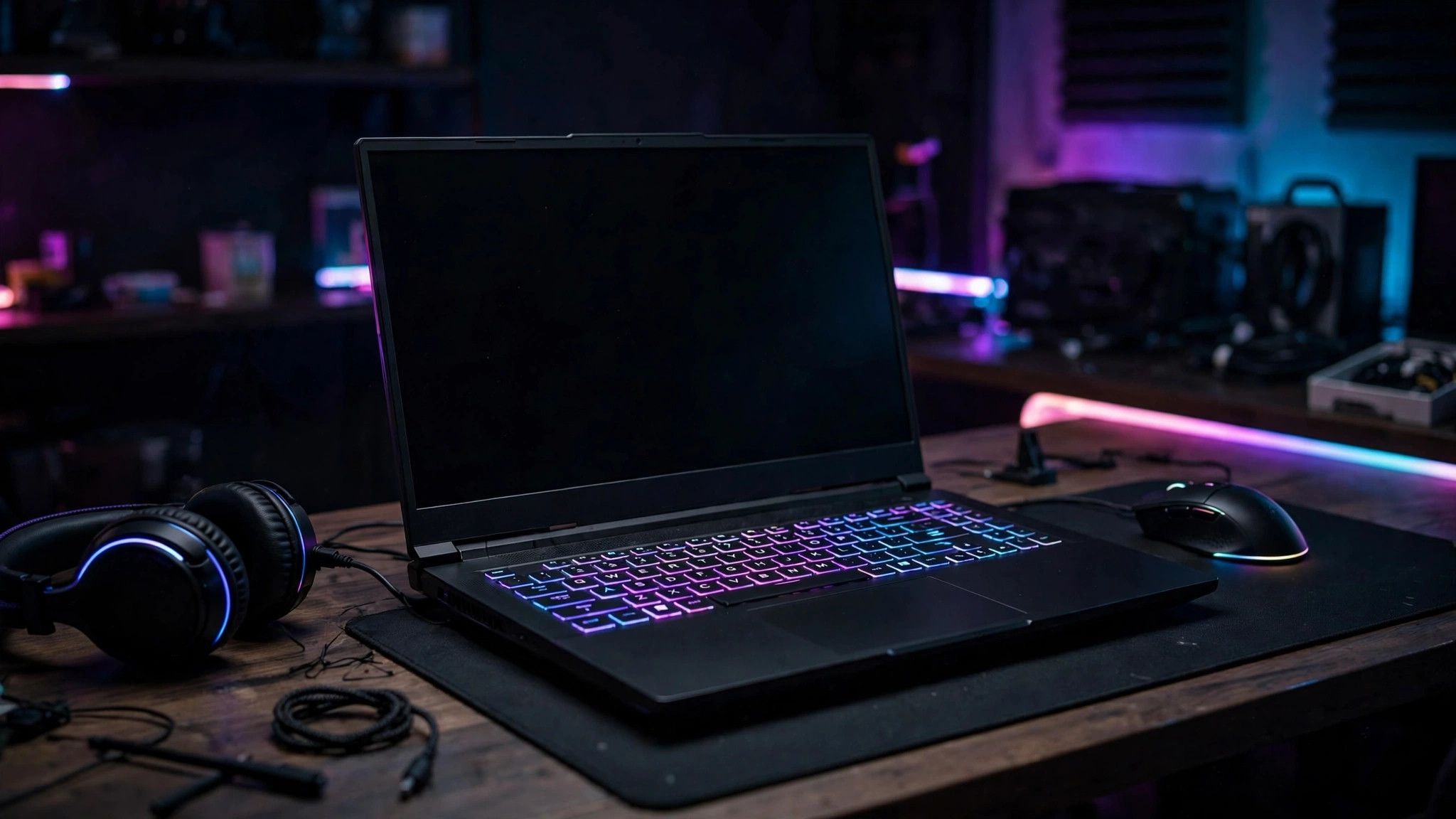
You do not need to spend two grand to play modern games well. In 2026, sub-$800 gaming laptops run popular titles at smooth frame rates — if you know which specs matter and which are marketing fluff. Here is how to get real performance on a real budget.
The GPU Is Everything
For gaming, the graphics card decides roughly 70% of your performance. In 2026, look for at least an entry-level dedicated GPU from the current or previous generation — integrated graphics have improved, but they still struggle with demanding AAA titles. A laptop with a modest dedicated GPU and a weaker CPU will out-game a laptop with a great CPU and no dedicated GPU, every single time.
What $800 Buys in 2026
Expect: a 1080p 120Hz+ display, 16GB of RAM, a 512GB SSD, and a GPU that handles esports titles at high frame rates and AAA games at medium settings. You will not get: 4K screens, ultra-thin designs, or all-day battery — gaming laptops are desktop replacements that happen to fold. Prioritize the screen and GPU; you can live with plastic build quality.
Specs That Matter (and Do Not)
16GB RAM is the sweet spot — 8GB stutters in 2026's games. A 512GB SSD minimum, because modern games are enormous (100GB+ each). The CPU matters less than sellers imply; a mid-range chip is plenty when the GPU does the heavy lifting. Ignore "gaming" branding on the keyboard lighting — it adds cost, not frames.
Keeping It Cool and Fast
Budget gaming laptops run hot, and heat quietly steals performance. Use a $25 cooling pad, keep vents unblocked, and clean dust from fans every few months. Cap your frame rate to your screen's refresh rate to reduce heat and fan noise. And game plugged in — on battery, every gaming laptop throttles hard.
Shop end-of-generation sales, consider reputable refurbished models, and remember: the goal is fun per dollar. A well-chosen $750 laptop playing your favorite games smoothly beats a $1,500 one gathering dust while you wait to afford it.