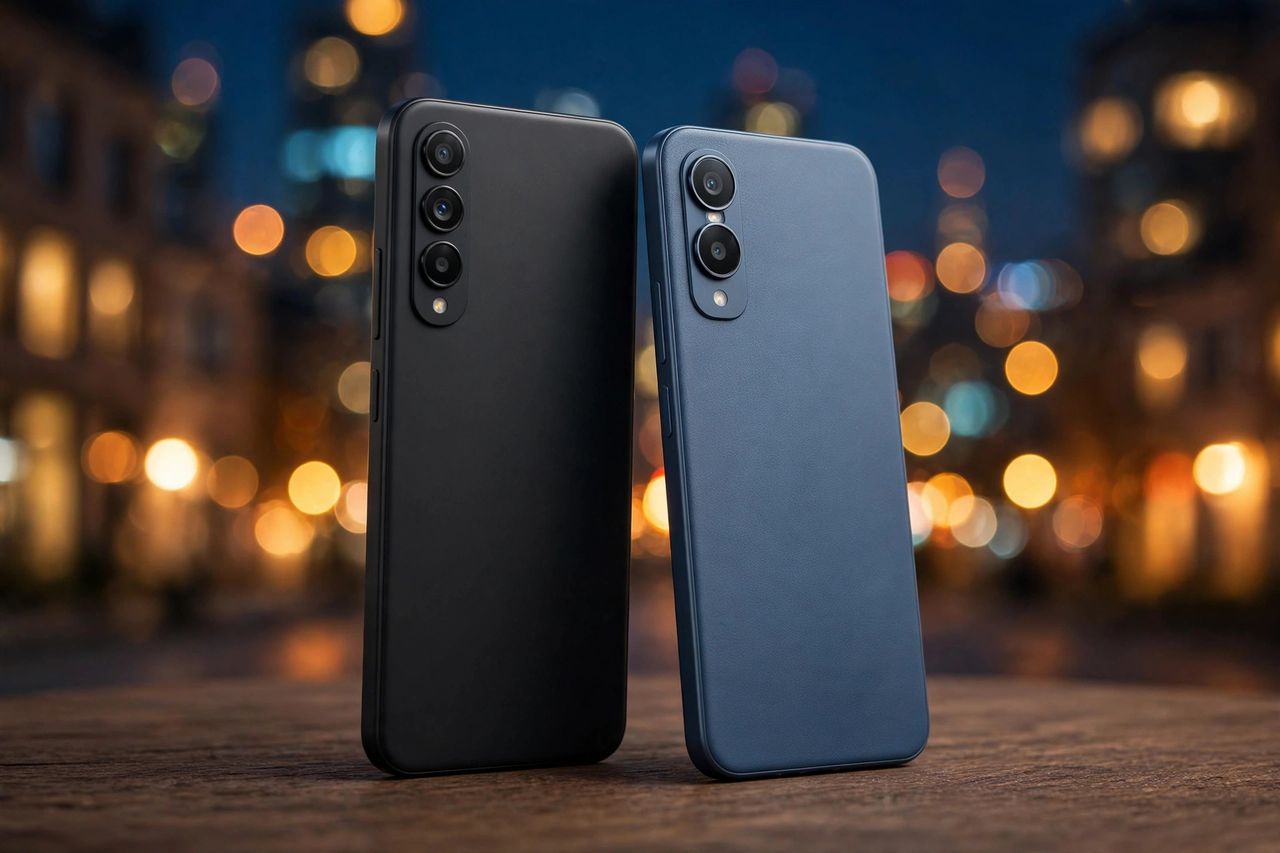
You no longer need to spend $1,000 to get real 5G. In 2026, phones under $400 ship with sub-6 and often mmWave 5G, 120Hz displays, and batteries that last two days. The catch is knowing where manufacturers cut corners. Here is what to prioritize and which budget 5G phones are worth your money this year.
What actually matters in a budget 5G phone
First, check that it supports the 5G bands your carrier uses — an unlocked bargain that misses your carrier's main band is a bad deal. Second, look for a 120Hz OLED or good LCD display, 8GB of RAM, and at least 128GB of storage. Third, confirm the update policy: aim for three or more years of security updates. A cheap phone that stops getting patches in 2027 is not cheap in the long run.
The smart picks this year
The best-value models share a pattern: efficient midrange chips that handle everyday tasks smoothly, big 5,000mAh-plus batteries, and decent main cameras with night modes that beat expectations. Prioritize phones from brands with strong service networks in your country — a great spec sheet means little if warranty service is hard to reach. Read battery-drain tests, not just marketing claims, before buying.
Where they cut corners — and how to cope
Budget 5G phones usually save on ultrawide cameras, wireless charging, and water resistance. In practice, the main camera and battery matter far more. Spend the savings on a good case, a fast charger, and cloud storage — those add more daily value than an extra lens you will never use. Skip models with under 6GB of RAM; they stutter within a year.
Buy unlocked, and time it right
Carrier "free phone" deals lock you into expensive plans that erase the savings. Buy unlocked during seasonal sales and pair it with a cheap prepaid or MVNO plan — the two-year total is often hundreds of dollars lower. Set a price alert and be ready; the best budget 5G phones regularly drop $50 to $100 within months of launch.
Budget 5G in 2026 is genuinely excellent: fast connectivity, smooth screens, and long battery life for a fraction of flagship prices. Choose for bands, updates, and battery — not megapixels and marketing — and you will never miss the $1,000 tier.