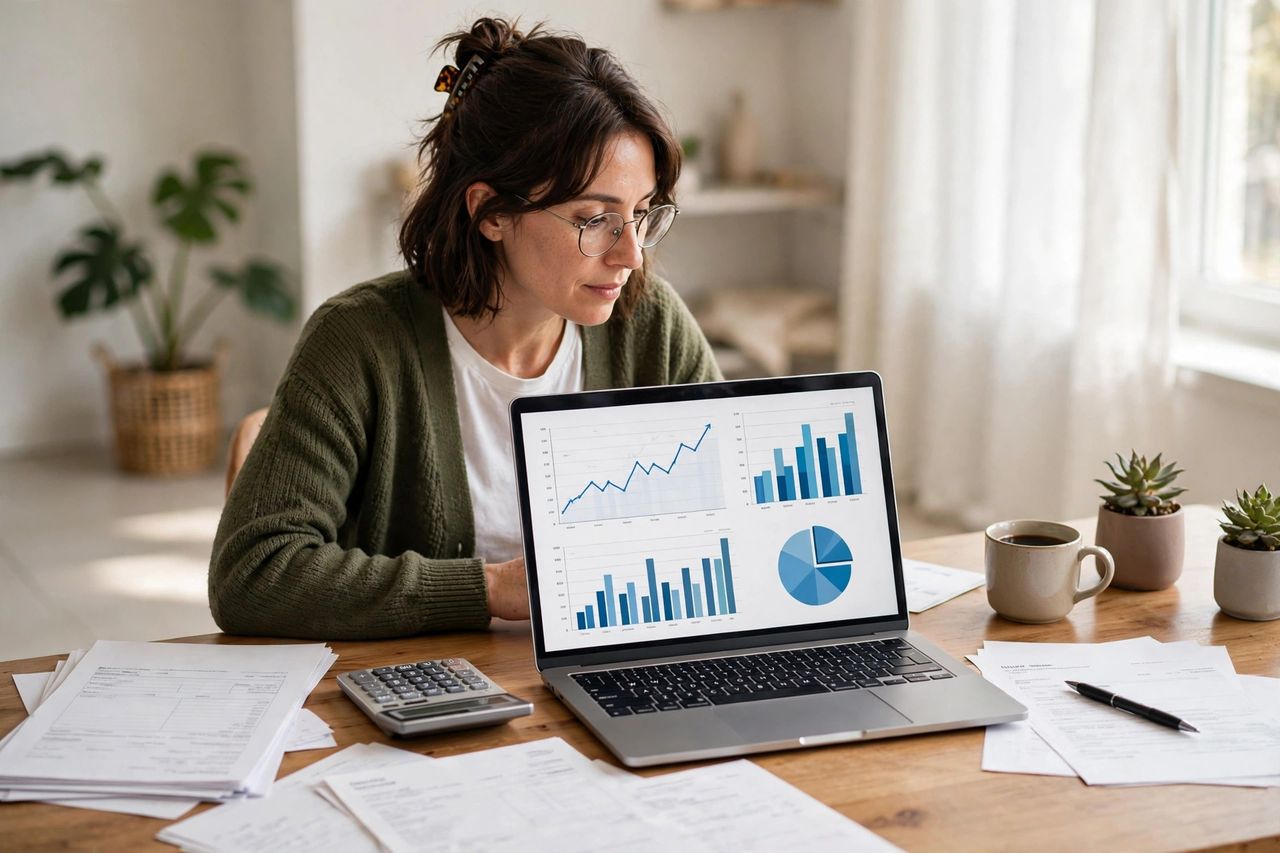
Shoeboxes of receipts and spreadsheet chaos are how small businesses lose money without noticing. Good bookkeeping software in 2026 tracks every dollar in and out, reminds you about taxes, and makes invoicing nearly automatic — often for less than the cost of one lunch a month.
What actually matters in bookkeeping software
Look for bank account syncing, automatic expense categorization, invoicing with online payments, and clean tax-time reports. Mobile apps matter too, since you'll snap receipts on the go. Bank sync plus auto-categorization does 90% of the work — that's the feature that makes bookkeeping effortless instead of a weekend chore.
Match the tool to your business type
Freelancers and solo owners do well with simple, affordable tools focused on invoicing and expense tracking. Growing businesses with employees or inventory need fuller accounting with payroll and deeper reports. Buy for the business you'll have this year, not the one you imagine in five — you can upgrade later.
Make taxes painless year-round
The right software estimates quarterly taxes, tags deductible expenses automatically, and exports clean reports your accountant will love. Snap photos of receipts immediately instead of collecting paper. Ten minutes of categorizing each week beats a forty-hour scramble every April.
Avoid the common mistakes
Don't mix personal and business spending — open a separate account from day one. Reconcile monthly so errors don't compound, and back up your data even though it's in the cloud. One dedicated business account is the simplest financial upgrade any small business can make.
Clean books mean clearer decisions, easier taxes, and no nasty surprises. Pick a tool that fits your size, connect your accounts today, and let 2026 be the year your business finances finally run themselves. A short weekly bookkeeping habit now saves you from expensive accountant rescue work later, and clean numbers make loan and investor conversations far easier.