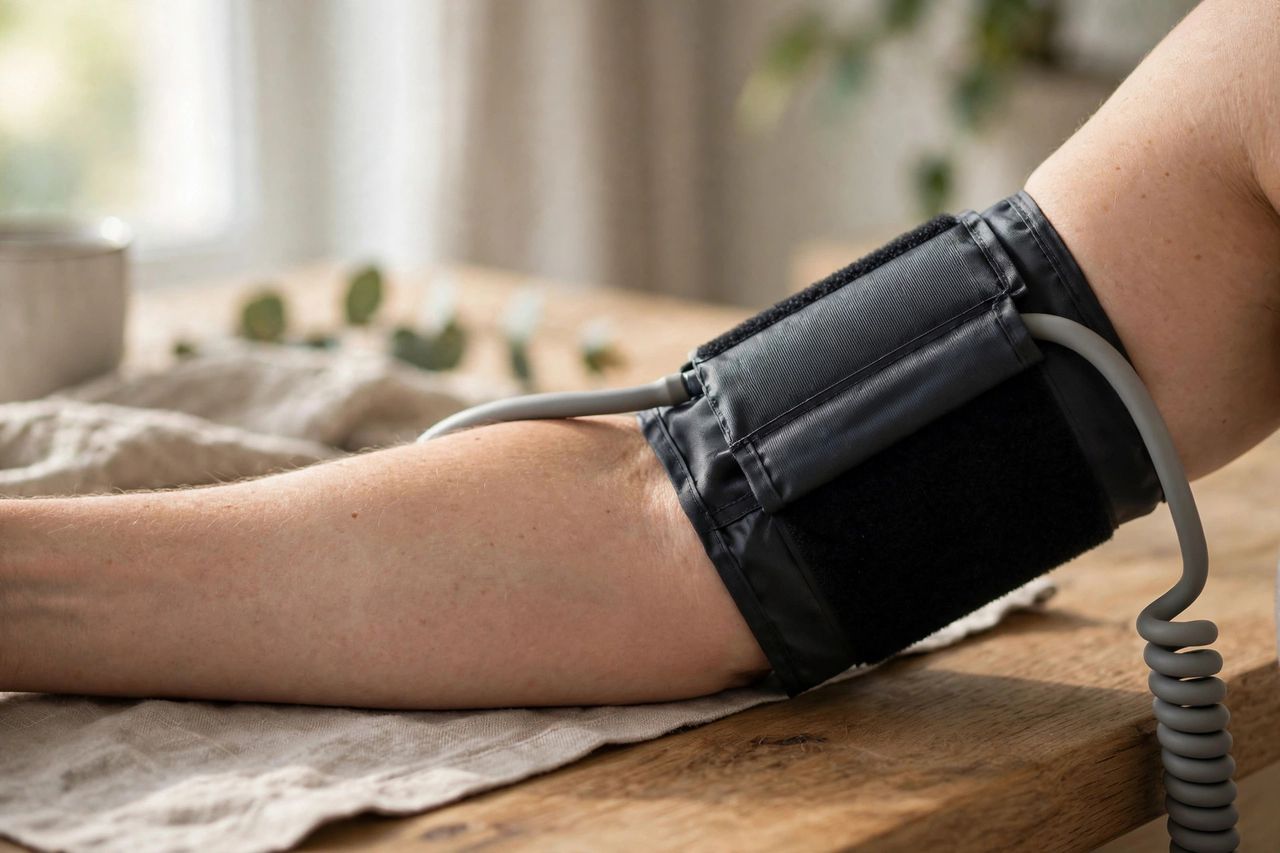
High blood pressure is called the silent killer — it damages your heart for years without symptoms. In 2026, a good home monitor plus correct technique puts early detection in your hands.
Why Monitor at Home
Nearly half of adults have high blood pressure, and most don't know it. Home monitoring catches the "white coat effect" (higher readings at the doctor) and shows real trends. Doctors increasingly ask for home readings, not just office ones — they're more useful.
Upper Arm Beats Wrist
Upper-arm cuffs are consistently more accurate than wrist monitors. Look for validated accuracy (check validatebp.org), a cuff that fits your arm size (wrong size = wrong readings), and Bluetooth syncing to your phone so you can show your doctor a history, not a guess.
How to Measure Correctly
Technique matters as much as the device: sit quietly for 5 minutes, feet flat, back supported, cuff at heart level. No coffee, exercise, or smoking for 30 minutes before. Take 2–3 readings a minute apart and average them — one reading is noise, averages are data.
What the Numbers Mean
Normal is below 120/80. Consistently above 130/80 deserves a conversation with your doctor. Track readings at the same time daily and bring a 2-week log to appointments. Never change medication based on home readings alone — always consult your doctor.
A good monitor costs less than a doctor's visit and can catch problems years earlier. Measure correctly, track trends, and give your heart the attention it deserves.