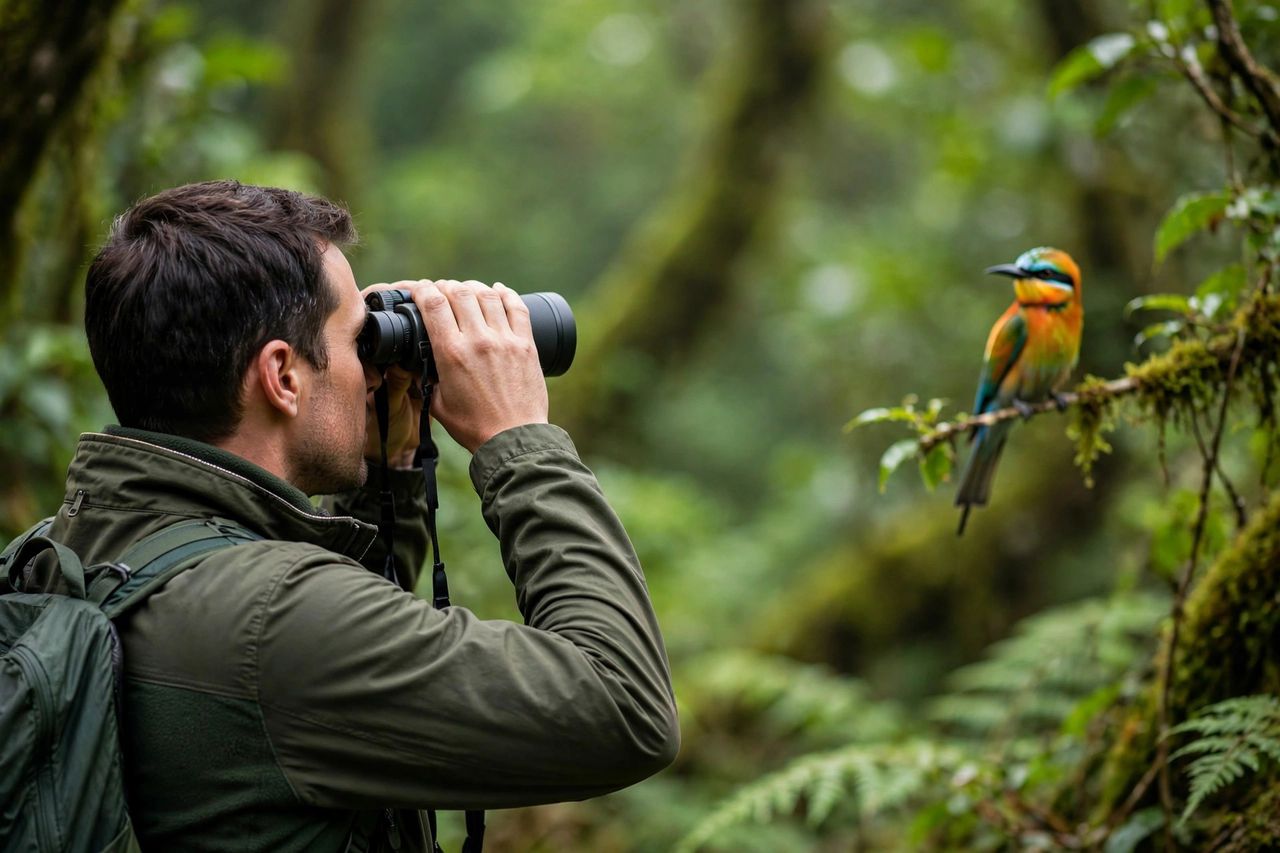
Birdwatching is one of the cheapest, healthiest hobbies on Earth — it gets you outside, trains your senses, and costs almost nothing to start. You don't need to travel anywhere exotic. Your local park has dozens of species waiting. Here's your beginner field guide.
The Only Gear You Need
A pair of 8x42 binoculars is the standard beginner recommendation — bright, stable, and forgiving. Good starter pairs cost $80–$150; don't buy cheap toy binoculars, they'll frustrate you. Add a free bird ID app (Merlin Bird ID) that identifies birds from photos and sounds, plus a notebook or the free eBird app to log sightings.
Where to Go First
Start where birds are concentrated: local parks, lakes, wetlands, and nature trails. Go early — the first two hours after sunrise are peak bird activity ("the dawn chorus"). Check eBird's free hotspot map for birding locations near you, and look for water, edges between habitats, and fruiting trees.
Field Techniques That Work
Move slowly and stop often. Most beginners walk right past birds. Stand still for 5 minutes and the area comes alive. Learn to bird by ear — you'll hear 5 birds for every 1 you see, and Merlin's Sound ID names them live. When you spot one, note size, color pattern, beak shape, behavior, and habitat before reaching for the app.
Grow Without Overwhelm
Learn 10 common local birds first — your "backyard list." Everything after that gets easier because you recognize what's new. Join a local bird walk (Audubon chapters run free ones); experienced birders love helping beginners. Keep a simple life list — watching it grow is half the fun.
Birdwatching rewires how you experience the outdoors: every walk becomes a treasure hunt. Grab your binoculars tomorrow morning and meet your feathered neighbors.