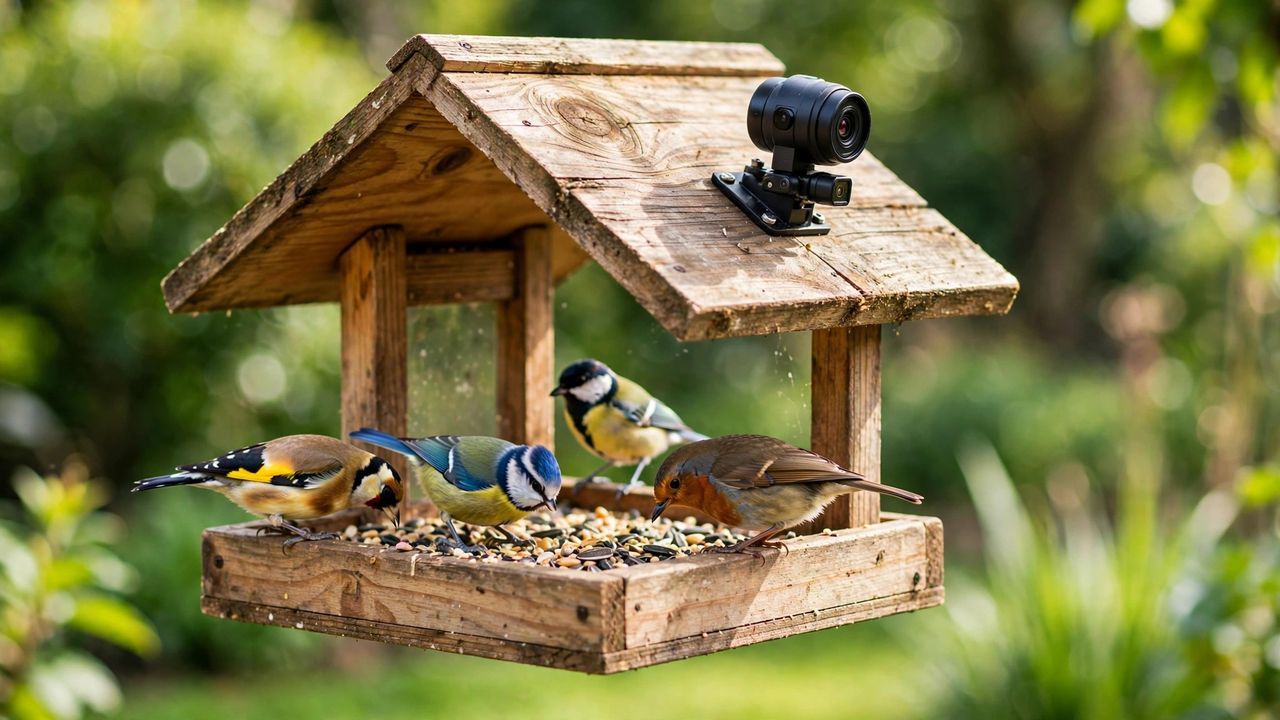
There is a whole world happening at your bird feeder that you never see — until now. Bird feeder cameras put a 4K lens inches from the action, and AI identifies each visitor by species. It is part nature documentary, part pure joy. Here is how to choose and set one up in 2026.
Camera-Feeder Combos vs Add-On Cameras
All-in-one camera feeders are the easy path: feeder, camera, and AI identification in one tidy unit, usually with a solar panel for power. Add-on cameras mount to the feeder you already own — cheaper and flexible, but you handle power and mounting yourself. For most people, the all-in-one wins on simplicity; tinkerers save money with add-ons.
AI Bird ID: The Real Magic
Modern feeders do not just record — they recognize thousands of bird species automatically and log each visit with a photo. You will learn your regulars by name within a week and discover migrants you never knew visited. Accuracy is excellent for common species, shakier for rare ones — treat odd identifications as suggestions, and enjoy being corrected by the app's community.
Placement for Great Footage
Mount the feeder within strong Wi-Fi range — video uploads die on weak signals. Face it away from direct sun to avoid blown-out footage, and place it near (not in) shrubs so birds have cover to stage from. Height matters for safety: 5–6 feet up, away from launching points cats can exploit. Refill seed regularly; an empty feeder films nothing.
Winning the Squirrel War
Squirrels will find your feeder. Baffles on the pole stop most climbers; placement 10 feet from trees stops most jumpers. Spicy seed coatings deter mammals without bothering birds. And honestly? The squirrel footage is half the entertainment — some owners buy the camera specifically for the acrobatics.
A bird feeder camera turns your morning coffee into a nature show starring your own backyard. Set it up once, and the birds — identified, photographed, and catalogued — do the rest.