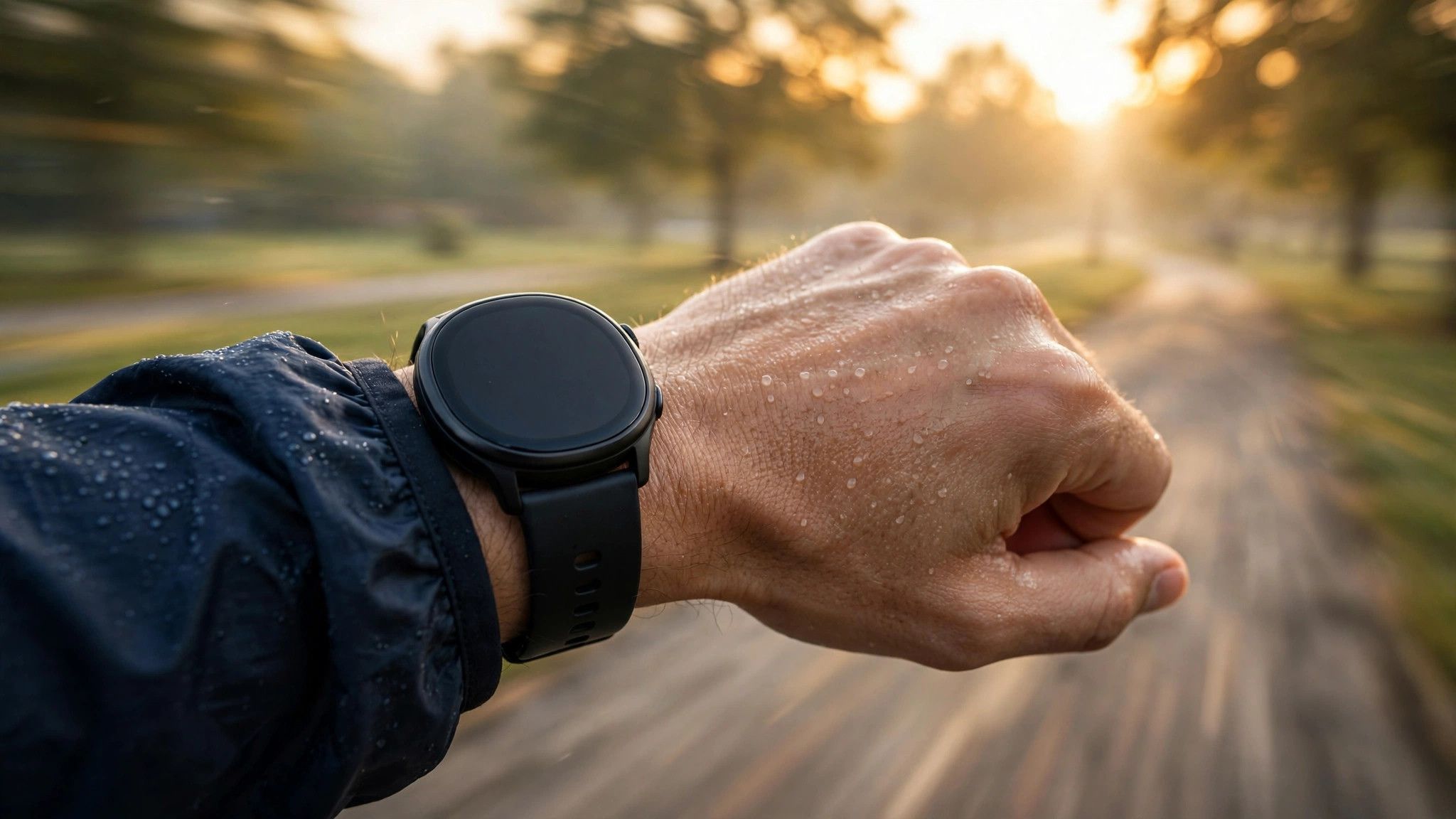
The fitness tracker market in 2026 is more crowded than ever, but only a handful of wearables are genuinely worth your money. Between heart-rate accuracy, battery life, and smart features, picking the wrong one means daily frustration. After weeks of testing the biggest names, here is how the field actually stacks up.
Heart-rate accuracy is the real dividing line
Most trackers look similar on paper, yet optical heart-rate sensors still separate the great from the mediocre. Dual-frequency GPS and improved sensor arrays mean the top models in 2026 track intervals, hills, and weight sessions with near chest-strap precision. Budget bands have closed the gap for steady-state cardio, but they still lag during high-intensity intervals. If training zones and recovery scores guide your workouts, accuracy should be your first filter, not your last.
Battery life remains the quiet dealbreaker
A tracker that dies mid-marathon is a paperweight. Flagship smartwatches now push 36 to 60 hours of real-world use, while dedicated fitness bands stretch past a week. Always-on displays and sleep tracking drain batteries faster than spec sheets admit, so judge by how the device performs with the features you actually use, not the marketing number.
Smart features versus simplicity
Do you want calls, payments, and apps on your wrist, or a focused tool that just tracks? Full smartwatches cost more and charge more often. Hybrid trackers and rings have exploded in 2026 precisely because many people want data without distraction. Decide which camp you live in before comparing specs.
Our verdict: match the tracker to the life
Runners should prioritize GPS accuracy and lightweight builds. Gym-goers benefit from strength-training detection and recovery metrics. Casual movers get the best value from a mid-range band with solid sleep tracking. The best fitness tracker of 2026 is not the most expensive one — it is the one you will still wear in December. Comfort, app quality, and subscription costs matter as much as the sensor inside.