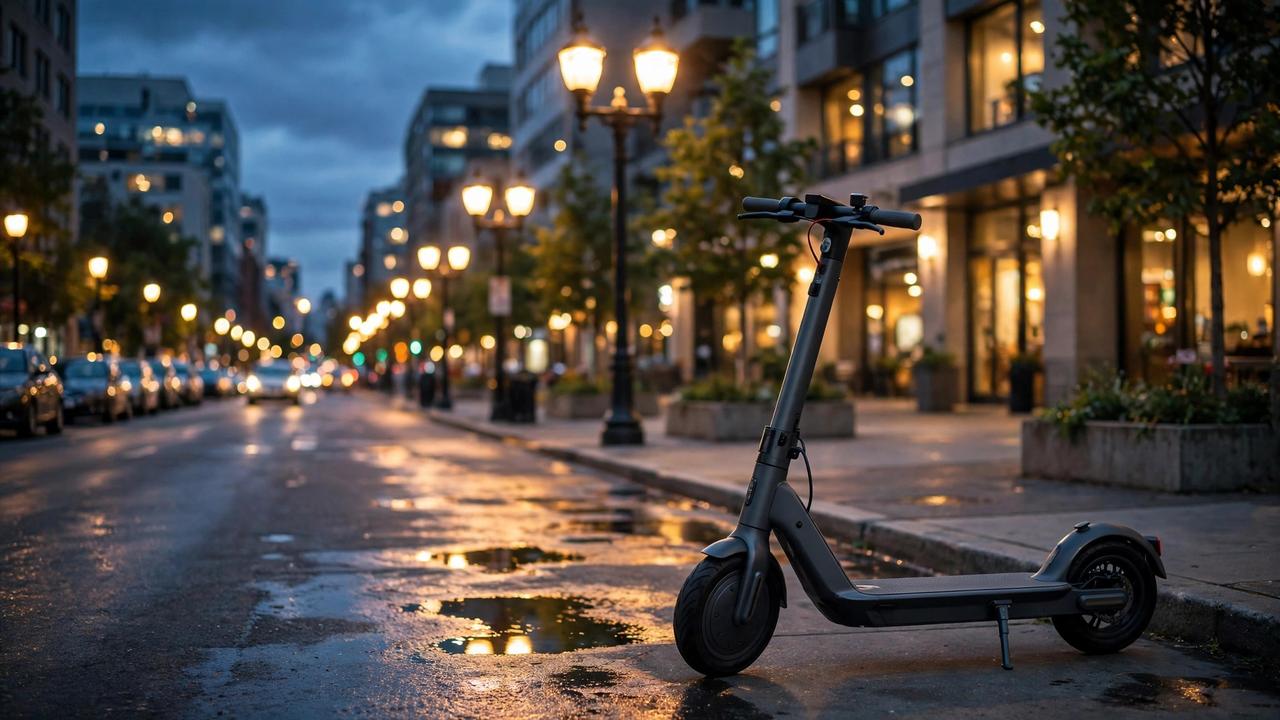
Electric scooters have grown up. The 2026 models are faster, safer, and far more practical than the wobbly toys of a few years ago — for many city dwellers, a good scooter now replaces short car trips entirely. But range claims lie, brakes matter more than motors, and the wrong scooter is an expensive mistake.
What actually matters: range and brakes
Advertised range assumes a light rider on flat ground at modest speed. Expect 60 to 70 percent of the claimed range in real commuting conditions. Buy more range than your commute needs, because batteries degrade and headwinds exist. For stopping power, dual brakes — ideally with at least one disc — are non-negotiable at commuter speeds. Drum brakes are fine for casual rides; a single brake is a red flag.
Picking your commuter
Short urban hops under 5 miles suit lightweight models you can carry up stairs. Longer commutes demand pneumatic tires and suspension, which transform ride quality on rough roads. Foldability matters if your route mixes scooters with trains. And check your local laws first — speed limits, sidewalk rules, and licensing vary wildly, and fines are more expensive than research.
Safety is the feature list
A helmet is the minimum; gloves and a bright front light are close behind. Never ride at night without lights, and assume drivers cannot see you. Keep tires properly inflated — most scooter crashes trace back to under-inflated tires or wet braking. Ride defensively, signal with your arms, and treat every intersection as a negotiation.
The smart buy
Spend on brakes, tires, and battery from a brand with real warranty support. Budget scooters cut corners exactly where it hurts. The best electric scooter of 2026 is the one that gets you to work dry, on time, and still fun on the way home — test-ride before you commit, and your commute may never feel like a chore again.