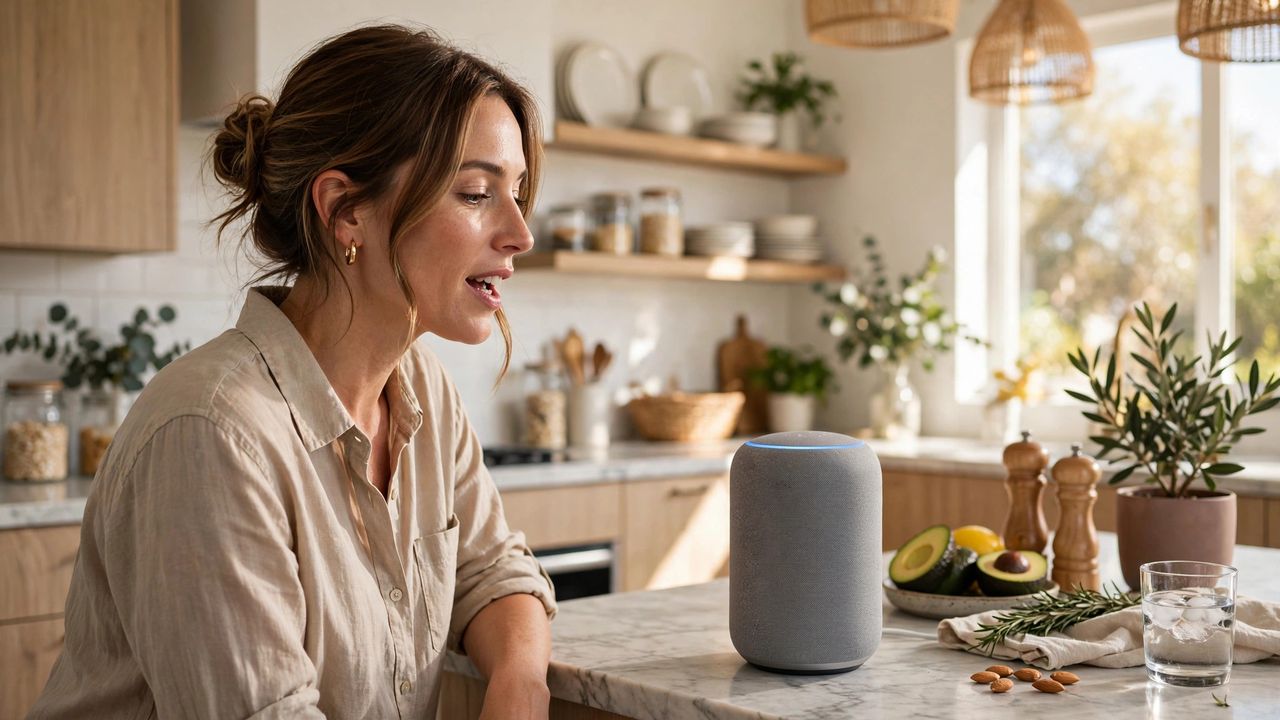
Voice assistants have quietly become the most-used AI in many homes: setting timers, answering questions, controlling lights, and reading the news while you make coffee. But in 2026 the major assistants differ a lot in smarts, privacy, and how well they play with your other devices. Choosing the right one saves daily friction. Here is how to compare them and set yours up properly.
Match the assistant to your ecosystem
The single biggest factor is what devices you already own. If your home runs on one brand's phones, speakers, and TV, that brand's assistant will integrate most smoothly. Mixing ecosystems works, but expect occasional hiccups with smart home commands. Choose the assistant that already lives on the devices you own. Deep integration beats a slightly smarter assistant that cannot control your lights or find your phone.
Test real-world intelligence, not demos
Marketing demos show perfect conversations; real life is messier. Test each assistant with your actual daily requests: "remind me when I get home," "play my workout playlist in the bedroom," "what is my first meeting tomorrow?" Notice which one handles follow-up questions without repeating context. Judge assistants on follow-up questions, not first answers. The ability to understand "and what about tomorrow?" without restating everything is what separates smart assistants from frustrating ones.
Lock down your privacy settings
Voice assistants record and store your requests by default, and some use them to improve their models. Visit the privacy settings of whichever assistant you choose: review stored recordings, turn off human review where available, and set auto-delete to the shortest period offered. Enable auto-delete of voice recordings every 3 months at minimum. You keep all the convenience while limiting how much of your voice history sits on company servers.
Automate your daily routines
Routines are where voice assistants earn their keep: one command like "good morning" can read your calendar, start the coffee maker, adjust the thermostat, and play the news. Build two or three routines for your most repeated moments — waking up, leaving home, bedtime. Start with one routine for your morning and perfect it. A single reliable routine you use daily delivers more value than ten half-working automations you forget about.
The best voice assistant in 2026 is the one woven into your devices, respects your privacy settings, and runs the routines you actually use. Spend an hour setting it up properly — matching ecosystem, tightening privacy, building one great routine — and it will quietly save you time every single day.