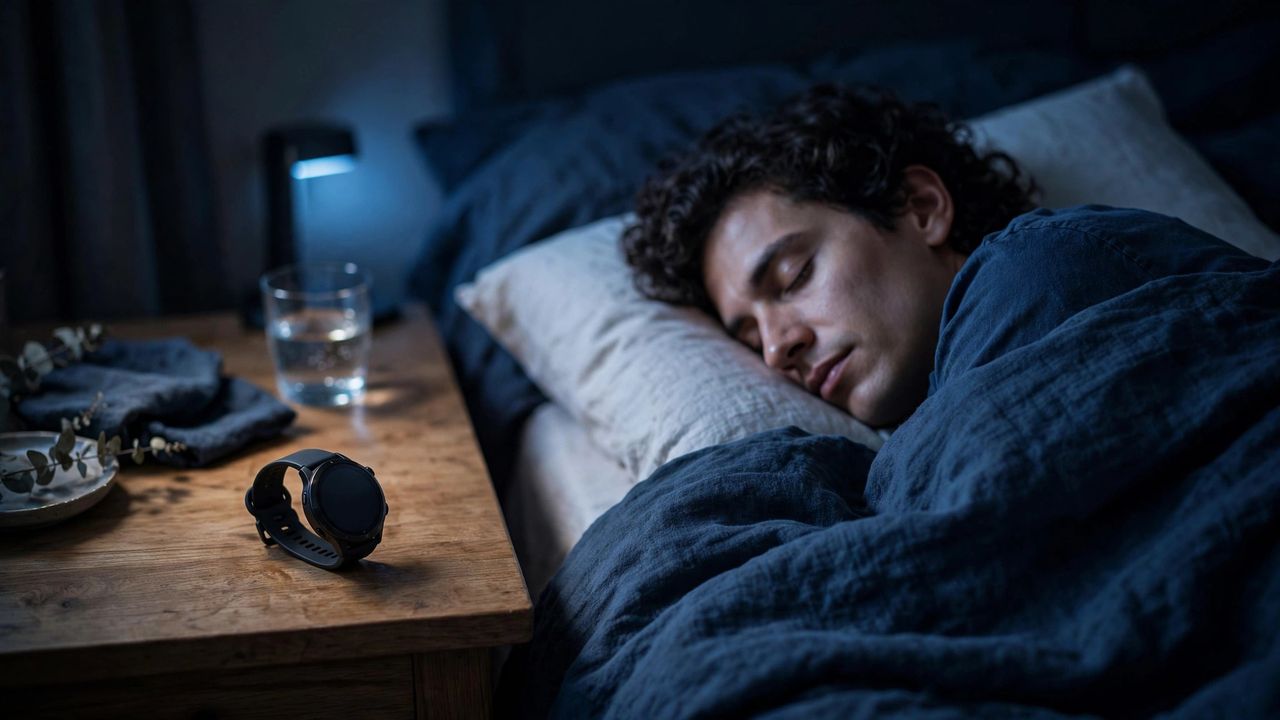
You can sleep eight hours and still wake up groggy — because it is sleep quality, not just quantity, that decides how you feel. In 2026, AI sleep tracking apps go far beyond counting hours: they detect snoring, map your deep and REM stages, measure bedroom noise, and connect the dots between your evening habits and morning energy. Here is how to use that intelligence to actually sleep better.
Understand your real sleep stages
Modern trackers use your phone's microphone and sensors — or a wearable — to estimate light, deep, and REM sleep with surprising accuracy. Look at your weekly averages rather than one bad night. Most adults need around 90 minutes of deep sleep. Stop obsessing over single nights; watch the trend over two weeks. Consistent patterns reveal far more than any one-off score, and trends are what AI coaching is built on.
Find what is actually ruining your sleep
The best AI trackers correlate your sleep quality with factors like caffeine timing, screen time, exercise, and alcohol. Check the insights tab weekly and look for the top one or two negative patterns. Maybe your deep sleep drops 20 percent on nights you eat after 9 PM. Change one habit at a time for two weeks. Fixing everything at once makes it impossible to know what actually worked — small, testable changes win.
Use smart alarms the right way
Smart alarms wake you during a light-sleep phase inside a window you set, so you avoid the brutal feeling of being ripped out of deep sleep. Set the window to 20–30 minutes and place the alarm at the end of the time you must be up. Set your latest acceptable wake time as the end of the window. This guarantees the alarm fires during light sleep without ever making you late for work.
Protect your privacy while tracking
Sleep apps collect sensitive data — bedroom audio, breathing patterns, bedtimes. Before committing, check whether audio is processed on your device or uploaded to servers, and whether you can delete recordings. Prefer apps that process sound on-device and let you auto-delete recordings daily. Great sleep data should never come at the cost of feeling listened to in your own bedroom.
AI sleep tracking works best as a coach, not a judge. Track for a few weeks, spot your biggest disruptors, fix them one by one, and let the smart alarm handle the mornings. Small, data-driven changes to your evenings will do more for your energy than any supplement — and your mornings in 2026 can finally feel the way sleep is supposed to feel.