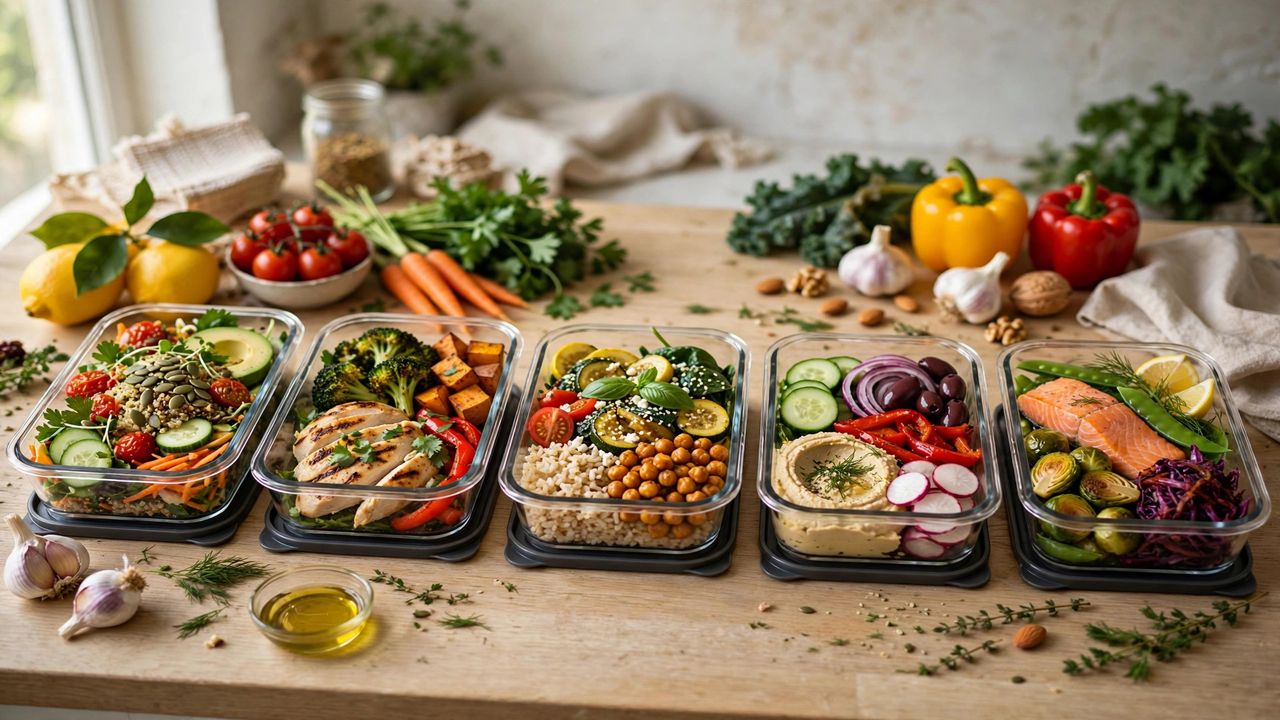
Planning healthy meals every week takes time most of us do not have. AI meal planners can build a full week of menus in seconds, matched to your dietary needs, budget, and cooking skill. Here is how to make them work for you.
Give the AI Your Real Constraints
The magic happens when you are specific: your calorie target, foods you dislike, allergies, budget, and how much time you can actually cook. The more honest you are about your real life, the more usable the meal plan will be. A plan built on fantasy gets abandoned by Wednesday.
Ask for a Shopping List Too
Most AI meal planners can generate a consolidated grocery list alongside the menu, which is where the real time savings are. Review it before shopping — AI sometimes suggests exotic ingredients you will use once. Ask it to prioritize overlapping ingredients so nothing goes to waste.
Build in Leftovers and Flex Days
The best AI-generated plans include cook-once-eat-twice dinners and one flexible day for eating out or clearing the fridge. If the AI gives you seven ambitious dinners, ask it to simplify two of them into leftovers nights. Real life has curveballs, and your plan should absorb them.
Treat It as a Draft, Not a Doctor
AI meal planners are great at variety and logistics, but they are not nutritionists. If you have diabetes, heart disease, or any medical condition, run the plan past a real professional. For generally healthy people, though, an AI plan beats no plan every single time.
You do not need a perfect plan — you need a plan you will actually follow. Start with just three AI-planned dinners this week and a matching grocery list, then expand from there. Small, consistent steps beat one ambitious plan that collapses by Thursday. Let the AI handle the thinking so you can enjoy the cooking.