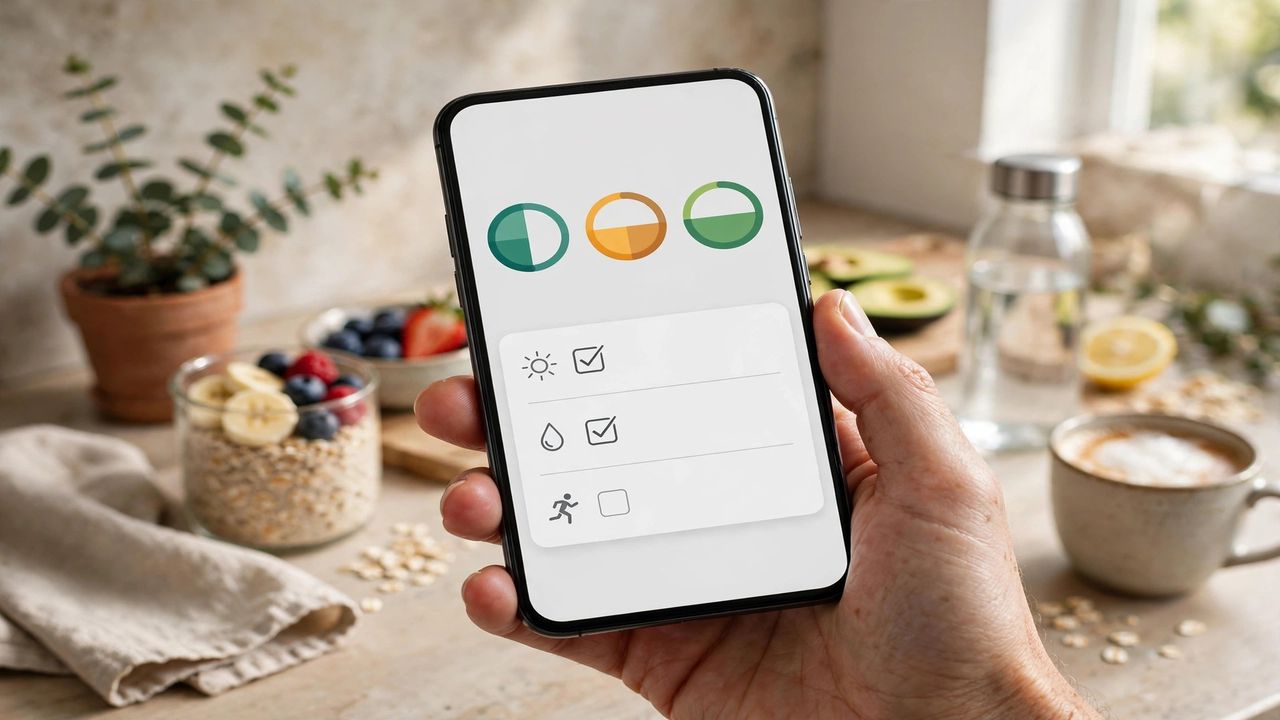
Everyone knows what they should do — exercise, read, sleep earlier. The hard part is doing it on day 47, when motivation is gone. AI habit trackers in 2026 go beyond simple checklists: they learn your patterns, remind you at the right moment, and adjust when life gets messy. Here is how to use them so habits finally stick.
Start embarrassingly small
The biggest mistake is tracking "work out for an hour" instead of "put on gym shoes." AI or not, habits form through easy wins repeated daily. Make your tracked habit so small you cannot fail — two push-ups, one page of reading, one glass of water. Once the routine is automatic, scale it up. Trackers work best when every day shows a satisfying checkmark; constant failures just teach you to ignore the app.
Let AI find your best timing
Modern trackers analyze when you actually complete habits and shift reminders to those windows — morning people get nudged at 7 AM, night owls later. They also detect your danger zones (you always skip on Thursdays) and suggest fixes. Keep notifications on for the first month, then trim them once the habit is stable. A reminder you always dismiss is worse than none at all.
Use streaks wisely, not fearfully
Streaks are powerful motivators, but one missed day should not nuke your motivation. The best 2026 apps offer "streak repair" or weekly targets (5 out of 7 days) instead of all-or-nothing chains. Aim for consistency, not perfection — research shows missing one day barely affects habit formation, but missing two in a row is where habits die. The app should forgive; you should resume.
Review your data monthly
AI analytics show which habits are thriving, which are dying, and what correlates with success (you exercise more on days you sleep well — now you know). Do a five-minute monthly review: drop habits that no longer serve you, double down on the ones changing your life, and adjust the difficulty of the rest. A tracker full of dead habits is just guilt with notifications.
AI habit trackers in 2026 are coaches that learn your life — but you still have to show up. Start tiny, let the AI optimize your timing, forgive the occasional miss, and review monthly. Do that, and this year your resolutions might actually survive past February.