Personal trainers cost $50+ per session. AI fitness apps cost a few dollars a month — and in 2026 they are genuinely useful. Here is how AI coaching works, what it does well, and where a human still wins.
What AI Coaches Actually Do
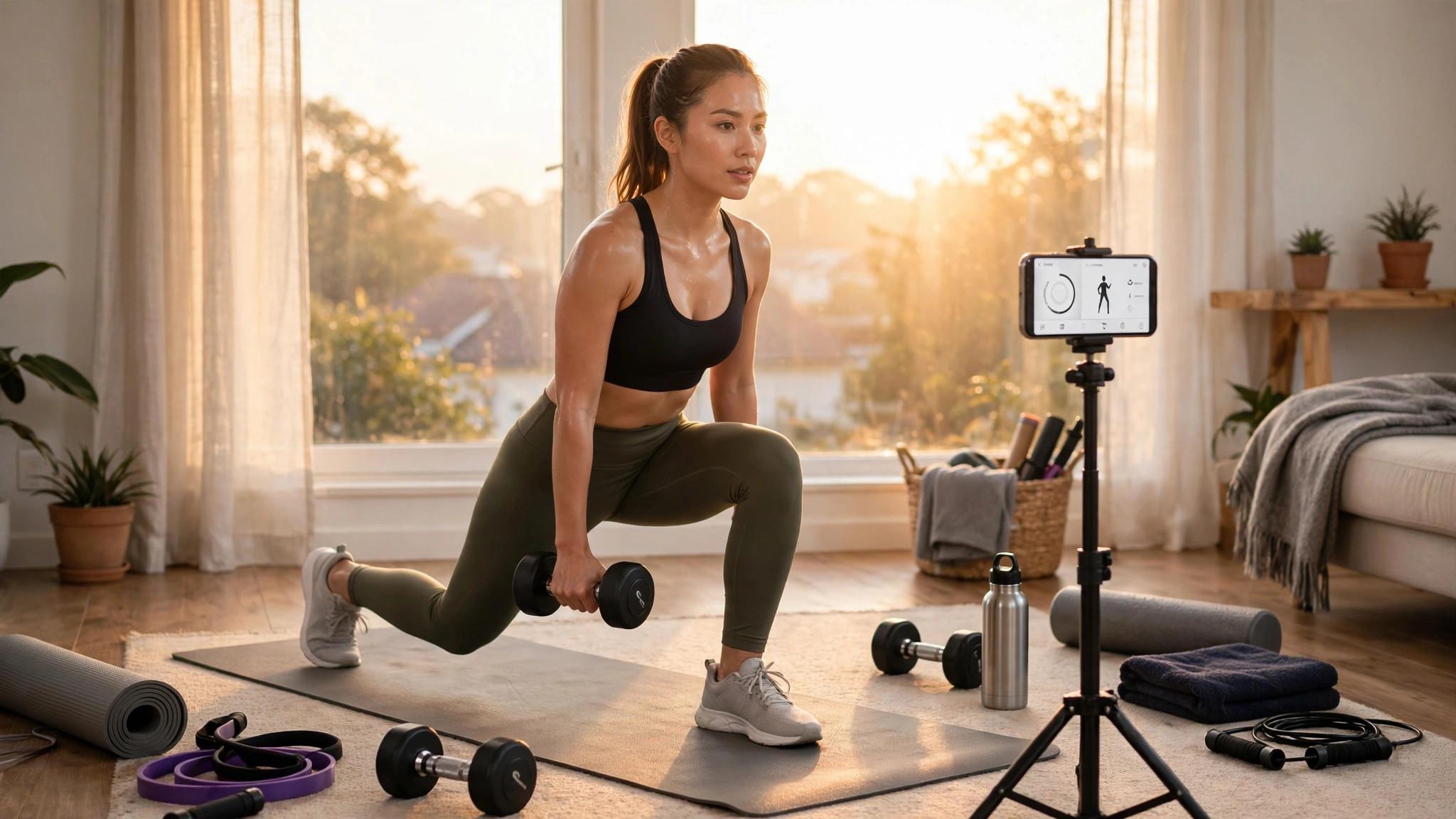
You input your goals, equipment, schedule, and injuries; the AI builds a periodized plan that adapts as you log workouts. Form-check via phone camera flags dangerous squat or deadlift technique. Recovery tracking uses sleep and soreness data to adjust intensity. It is a plan that evolves with you — something a static PDF workout never does.
Where They Shine
Consistency: the app never cancels, never sleeps, and nags you politely. Data-driven progression: it increases weights at the right pace instead of guessing. Beginners benefit most: clear video demos and structured plans remove the gym-intimidation factor. For home workouts with dumbbells or bodyweight, AI coaches are now excellent.
The Honest Limits
No AI can spot you under a heavy barbell. Subtle form issues — the kind a trainer feels with a hand on your back — are still missed. Nutrition advice stays generic; medical conditions need real professionals. And motivation is still yours: the best plan fails if you skip it. Treat the app as a smart assistant, not a doctor.
How to Pick One
Look for: adaptive programming (plan changes based on your logs), video exercise library, equipment customization, and rest-day intelligence. Try free trials for 2 weeks before paying — a great interface you will actually open beats fancy features you ignore. Cancel ruthlessly if you stop using it.
An AI coach you use beats a human trainer you can't afford. Pick one, follow the plan for 8 weeks, track everything — that consistency is what transforms bodies, not the technology.