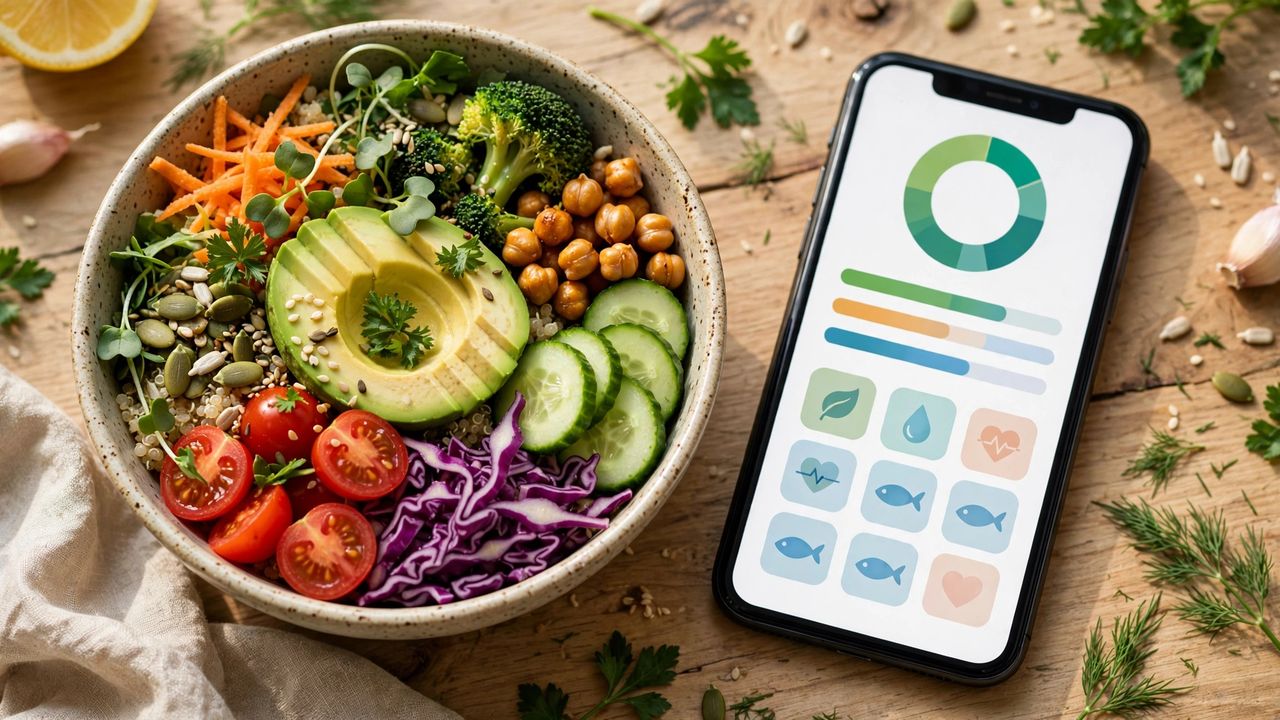
Sticking to a healthy diet is hard when meal planning takes hours you do not have. AI diet planners promise to do the thinking for you: generating personalized meal plans based on your goals, food preferences, budget, and even what is already in your fridge. Here is the practical guide.
How AI Meal Planning Works
You tell the app your goal, such as losing weight, building muscle, or simply eating better, plus your dietary restrictions, disliked foods, cooking skill level, and budget. The shopping list is the unsung hero of AI meal planning, because a plan you cannot shop for is just a pretty document you will never cook from.
Setting Realistic Goals
AI plans fail when the goals fed into them are unrealistic. Extreme calorie targets produce miserable plans you will abandon by Wednesday. An honest, moderate plan you follow for months beats a perfect plan you quit in a week, so dial the ambition down and the consistency up. Small sustainable changes compound into big results.
What AI Gets Wrong
AI planners can suggest odd ingredient combinations, underestimate prep time, or miss cultural food preferences if you do not specify them clearly. Always sanity-check recipes before cooking for guests, and treat nutrition estimates as approximations rather than lab results. AI meal planners are assistants, not doctors: use them for ideas and organization, not medical advice, and get professional guidance for any health condition.
Making the Plan Stick
The best plan is the one you will repeat. Save the meals you actually enjoyed and ask the app to build future weeks around them. Prep ingredients in batches on one day to make weeknight cooking nearly effortless. Repeating a small rotation of meals you love beats chasing novelty every week, because familiarity makes healthy eating automatic instead of exhausting.
Let AI handle the planning, keep your goals honest, and build a rotation of meals you genuinely enjoy. Healthy eating gets dramatically easier when the decisions are made for you.