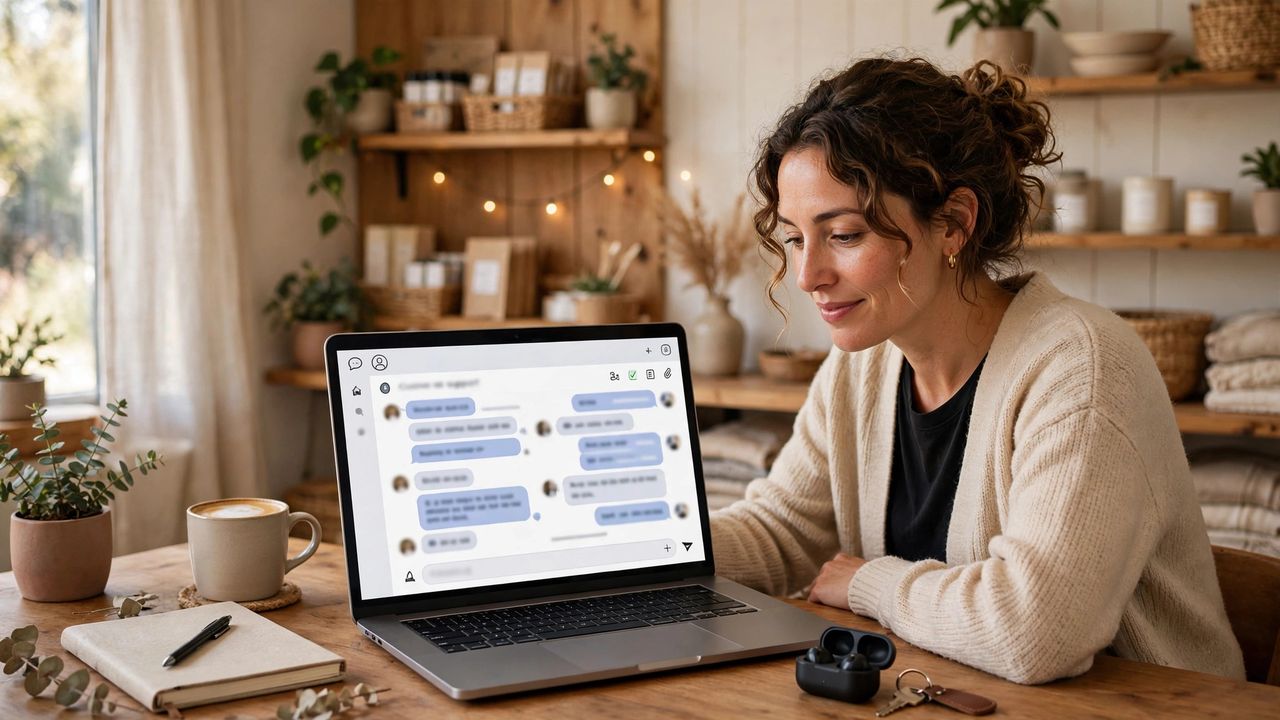
Every business misses sales after hours — the customer who visits your site at midnight, asks one question, gets no answer, and leaves forever. In 2026, AI chatbots have become affordable enough for even solo businesses, and smart enough to answer real questions in natural language. Here is a practical guide to what they can do, what they cost, and how to deploy one without a tech team.
What a business chatbot actually does
A modern AI chatbot answers FAQs, helps visitors find products, takes bookings, collects leads, and hands off tricky questions to a human. Unlike old rule-based bots, it understands phrasing variations — "how much is shipping?" and "delivery cost?" get the same correct answer. Start by listing the 20 questions you answer most often. That list becomes the chatbot's training knowledge and covers the vast majority of what visitors will ever ask.
Choose the right type for your size
Small businesses do best with no-code chatbot builders that plug into your website in an afternoon. Larger operations may want custom bots connected to their ordering or booking systems. Either way, look for tools that let you review and correct answers easily. Pick a tool you can update yourself in five minutes. A chatbot with outdated prices or hours is worse than no chatbot — freshness of information is everything.
Train it on your real content
The best chatbots are trained on your website pages, FAQs, price lists, and policies — not generic internet knowledge. Feed it your actual documents and write answers in your brand's voice. Then test it like a skeptical customer: ask confusing, misspelled, and tricky questions. Test with 30 real customer questions before going live. This testing phase catches wrong answers, and fixing them now prevents embarrassing public mistakes later.
Measure what matters, then improve
After launch, watch three metrics: how often the bot resolves questions without human help, how many leads or bookings it generates, and customer satisfaction ratings. Review the conversations the bot failed at weekly and add those answers to its knowledge. Schedule 30 minutes every Friday to review failed chats. Chatbots improve fastest through this weekly loop — most owners skip it, and their bots slowly go stale.
An AI chatbot in 2026 is like hiring a tireless employee who works nights, weekends, and holidays for the price of a coffee subscription. Start small with your top questions, keep the knowledge fresh, and review the failures. Within a month you will wonder how you ever ran the business without one.