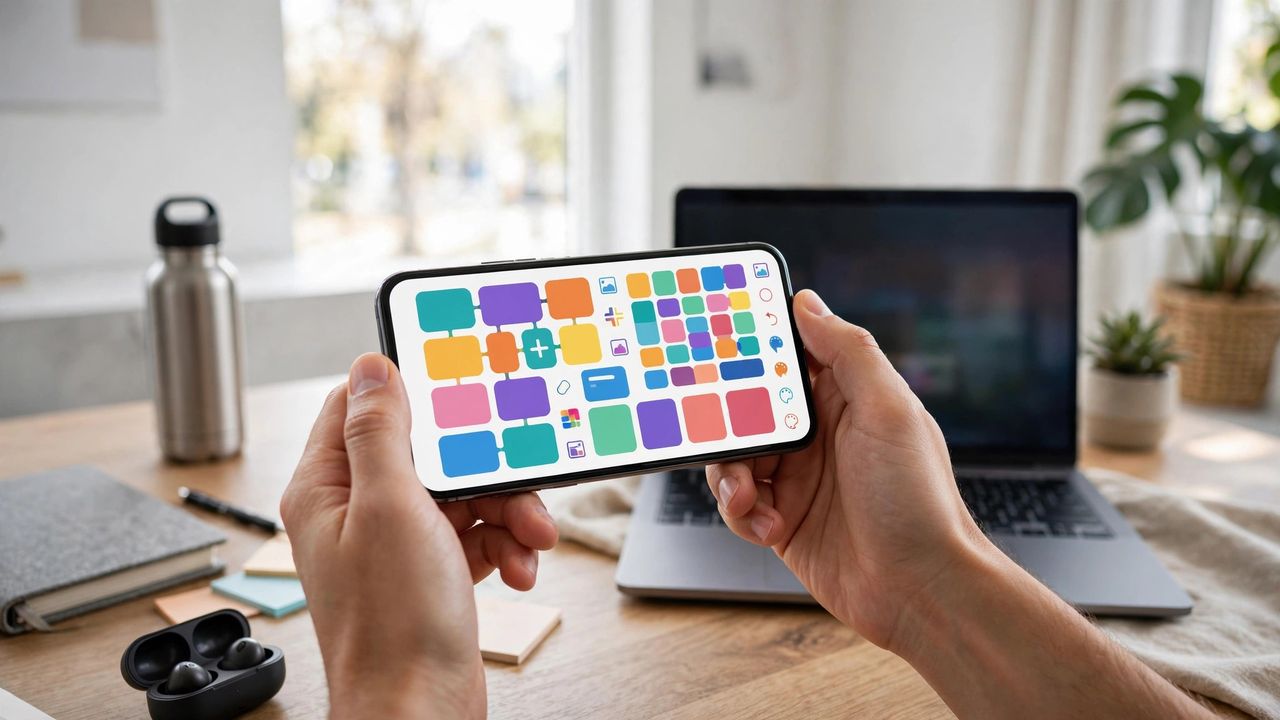
In 2026, you don't need to write a single line of code to build a working app. AI-powered no-code platforms turn plain-English descriptions into real software — websites, mobile apps, and automations. Here's how to start.
What AI Builders Can (and Can't) Do
Today's tools excel at CRUD apps — directories, booking systems, dashboards, content sites, and internal tools. Describe what you want in plain language and the AI generates the interface, database, and logic. But know the limits: complex custom algorithms, high-scale systems, and deep integrations still need developers. Start with a simple, well-defined idea — not a social network.
Step 1: Describe Your App Like a Recipe
The quality of your description determines the quality of your app. Be specific: "a booking app for my dog-grooming business with a calendar, customer profiles, and SMS reminders" beats "a booking app." List the screens, the user types, and the key actions before you start prompting — this one planning hour saves ten debugging hours.
Step 2: Test, Break, and Iterate
Your first AI-generated version will have flaws — expect that. Test every button as a real user would, keep a list of issues, and fix them one at a time with clear follow-up prompts. Don't rebuild from scratch when something breaks; iterate. And back up your project before major changes.
Launching: From Prototype to Real Users
Most platforms offer one-click publishing with hosting included. Before launch: test on a phone, set up a custom domain for credibility, add basic analytics, and invite five friendly testers for honest feedback. Start on the free tier, and upgrade your plan only when real users arrive.
The barrier to building software has never been lower. A clear idea, a good description, and patient iteration are all you need. Your app idea from last year? This weekend could be its birthday.